

 español



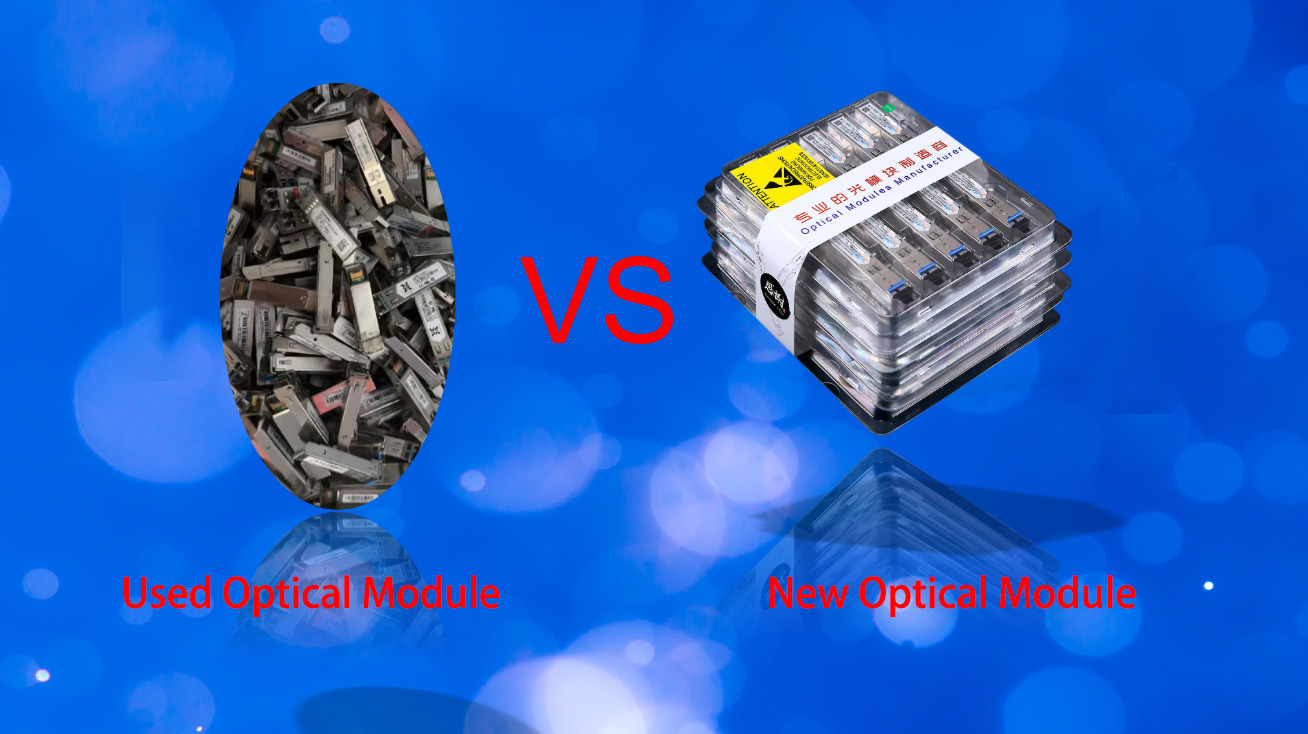
¿Por qué están volviendo al mercado los módulos ópticos usados?
En la industria de las comunicaciones ópticas, la reventa de módulos ópticos usados no es ningún secreto. Los centros de datos, las grandes empresas y los operadores impulsan la actividad de este mercado en diversos escenarios.
Las razones de esto están relacionadas con la gestión del ciclo de vida del producto, así como con el control de costes y la optimización de recursos. El siguiente análisis examina la inevitabilidad de la reventa de módulos ópticos usados desde tres escenarios principales, estableciendo una analogía con el mercado de teléfonos móviles usados para facilitar la comprensión de este fenómeno.
1.
Centros de datos: Actualización y reemplazo regular de equipos, eliminación gradual de hardware obsoleto en grandes cantidades
.
Los centros de datos, como principales consumidores de módulos ópticos, tienen requisitos extremadamente altos de rendimiento y estabilidad de la red. Con las iteraciones tecnológicas (como la actualización de 10G a 400G), los operadores podrán
reemplazar los módulos ópticos antiguos en lotes según la vida útil del producto.
o
mejoras de rendimiento
Aunque los módulos ópticos antiguos reemplazados no están completamente dañados, ya no pueden satisfacer las nuevas demandas de alta velocidad y baja latencia debido al envejecimiento prolongado por el uso continuo. Por lo tanto, ingresan al mercado de segunda mano y se convierten en la opción para escenarios con presupuesto limitado o de baja velocidad (como monitoreo interno y enlaces de respaldo).
Análogo a los teléfonos móviles
Tras el lanzamiento de un nuevo iPhone, algunos usuarios venden sus teléfonos antiguos, y una gran cantidad de dispositivos "relativamente nuevos" aparecen en plataformas de segunda mano para satisfacer las necesidades de los usuarios que buscan teléfonos de respaldo o que se inician en el mundo de los teléfonos de gama alta.
2.
Fabricantes líderes: Compromisos de eficiencia en la producción en masa, productos degradados que vuelven a entrar al mercado cumpliendo con las normas
.
En la producción en masa de módulos ópticos, los principales fabricantes suelen emplear
Procesos estandarizados y un estricto control de calidad para lograr altos rendimientos.
y
eficiencia de entrega
. Sin embargo, debido a las fluctuaciones en los precios de las materias primas, las limitaciones en los procesos de fabricación o los requisitos personalizados de los clientes, un pequeño número de
productos ligeramente defectuosos
(como arañazos o fluctuaciones en los valores de los parámetros críticos) o productos no estándar (como desviaciones en longitudes de onda específicas o un consumo de energía ligeramente superior al límite) pueden ocurrir durante la producción en masa. Aunque estos productos no cumplen
los estrictos estándares de los clientes de primer nivel
Aún pueden funcionar de forma estable después de las pruebas funcionales, y desecharlos directamente resultaría en un desperdicio de recursos.
Para equilibrar la eficiencia y el costo, los fabricantes llevan a cabo
evaluaciones internas de degradación
y retiran dichos productos de sus líneas de productos de alta gama. Estos productos son entonces
devueltos a precios bajos a mercados con mayor tolerancia a las especificaciones (como pruebas internas, redes no esenciales y proyectos de infraestructura en países en desarrollo) a través de cumplimiento
canales (como alianzas industriales)
.
Este enfoque evita altos costos de reparación o retrabajo y extiende el ciclo de vida del producto a través de
utilización escalonada, convirtiéndose en
una parte importante de la industria
cadena de suministro oculta.
Análogo a los teléfonos móviles
Si la pantalla del teléfono móvil de un usuario se rompe o le entra agua, y el coste de la reparación es demasiado elevado, puede optar por venderlo a una empresa de reciclaje, donde será reacondicionado y vendido a precio de segunda mano.
3. Operadores de telecomunicaciones: Repuestos redundantes de grandes proyectos, liberando inventario excedente sin abrir .
Recomendado
C
opción:
Las principales diferencias entre los módulos ópticos usados y nuevos radican en
P
arroz,
P
rendimiento
S
estabilidad
y
A
servicio posventa
S
servicio
.
Categorías
nuevo blog
Etiquetas
nuevos productos
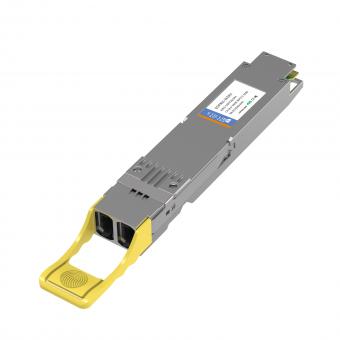
Transceptor óptico 800G OSFP 2×DR4 1310nm 500M MPO12 DDM Lee mas
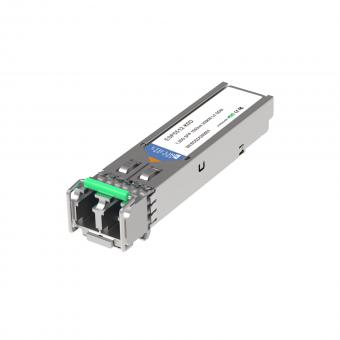
Transceptor óptico LC SFP de 1,25 G, 1550 nm y 200 km Lee mas
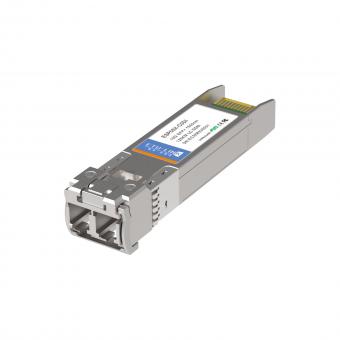

Transceptor óptico LC de 100G QSFP28 LR con sonda Lambda única de 10KM Lee mas
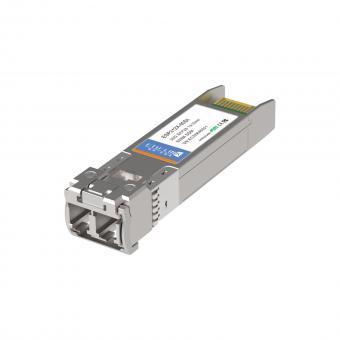
Transceptor óptico de 25G SFP28 ZR 1310nm los 80KM LC Lee mas
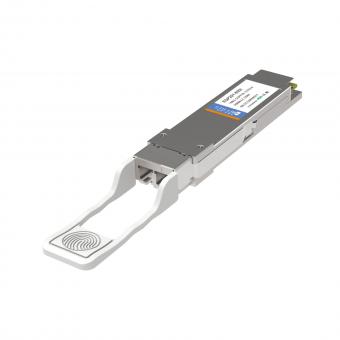
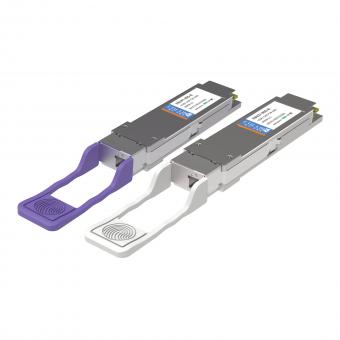
Transceptor óptico de generación II de 100G QSFP28 ZR4 80KM LC Lee mas
Para consultas sobre nuestros productos o lista de precios, déjenoslo y nos pondremos en contacto dentro de las 24 horas.


 13th Floor, Building 6, Honghualing Base, Nanshan Intelligent Manufacturing Base, Liuxian Avenue, Taoyuan Street, Xili, Nanshan District, Shenzhen, China
© Derechos de autor: 2026 ETU-Link Technology CO ., LTD Reservados todos los derechos.

Soporta red IPv6


