

 español



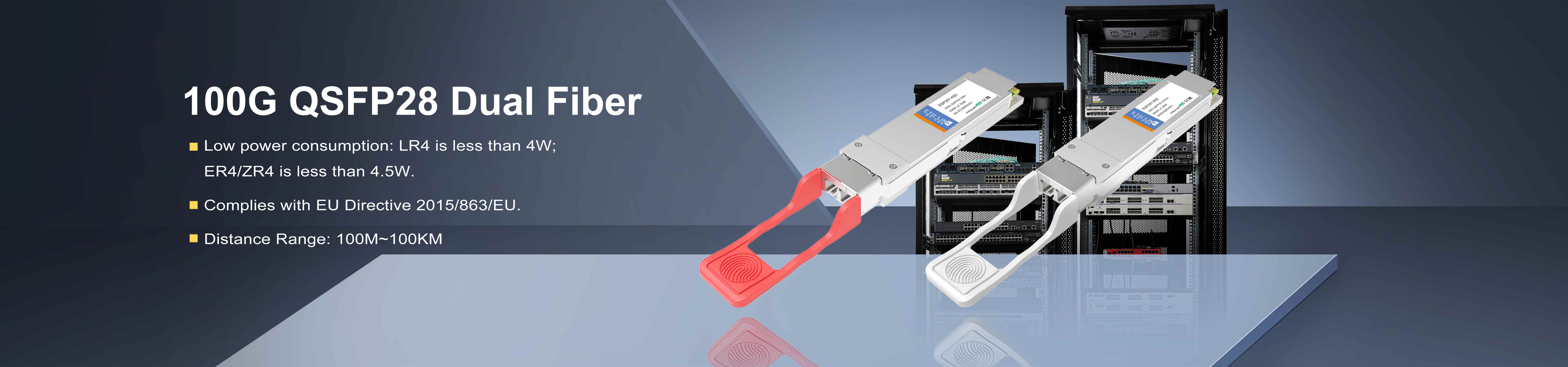
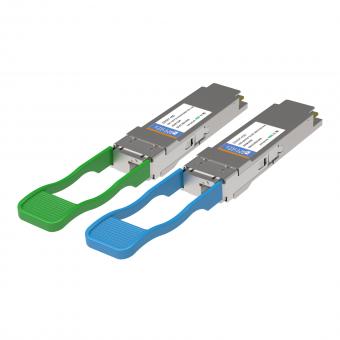
Módulo óptico 100G QSFP28 BIDI 80KM ZR4
100G BIDI 80km ZR4 Óptico Transceptor : La solución revolucionaria para la transmisión a larga distancia.
I . Panorama del mercado: La creciente demanda y la madurez de la tecnología impulsan la adopción.
Actualmente, ETU-Link Technology Co., Ltd. ha lanzado un producto 100G BIDI 80km ZR4 que se ha entregado en lotes a clientes en múltiples campos alrededor del mundo, soportando una velocidad de 103,125 Gbps y una distancia de transmisión de hasta 80 km. También adoptan Tecnología de corrección de errores hacia adelante KR4-FEC para mejorar la estabilidad de la señal. lo que las convierte en la opción principal para escenarios de transmisión a larga distancia.
II . Desarrollo de tendencias: Alta velocidad, bajo consumo de energía e integración marcan el futuro.
1. Actualización de velocidad Debido al crecimiento explosivo de la demanda de capacidad de procesamiento para IA, los centros de datos están aumentando continuamente sus requisitos de ancho de banda.
2. Bajo PAG propietario do sobre el consumo D esign El diseño optimizado del circuito reduce el consumo de energía del módulo en más de un 30 % en comparación con las soluciones tradicionales, cumpliendo así con los requisitos de ahorro energético de los centros de datos.
3. Inteligente METRO gestión Integra la función DDM (Monitorización de Diagnóstico Digital) y supervisa parámetros como la potencia óptica, la temperatura y el voltaje en tiempo real a través de la interfaz I2C para lograr un mantenimiento preventivo y mejorar la eficiencia de operación y mantenimiento.
4. Estandarización y do compatibilidad Cumple estrictamente con el estándar de empaquetado QSFP28 MSA, es compatible con equipos de marcas convencionales, admite conexión en caliente, función plug and play y reduce los costos de red.
Ⅲ . Áreas de aplicación: Satisfacer las necesidades de transmisión a larga distancia en todos los escenarios.
1. Interconexión de centros de datos (DCI) : Interacción de macrodatos entre centros de datos en campus y ciudades, con una distancia de transmisión de 80 km que permite el funcionamiento eficiente de la computación en la nube, la recuperación ante desastres y otros servicios.
2. Telecomunicaciones B hueso de la espalda norte red : se utiliza para el enlace de retorno de estaciones base 4G/5G, la capa de agregación de redes de área metropolitana y los enlaces de red troncal de larga distancia para cumplir con los requisitos de baja latencia y alto ancho de banda.
3. Empresa PAG privado norte red U pgrade Las grandes empresas y las redes de campus pueden actualizarse a un ancho de banda de 100G mediante tecnología bidireccional de fibra única sin necesidad de reemplazar el cableado de fibra óptica existente, lo que permite ahorrar en costes de transformación.
4. Industria- S específico norte redes Sistemas de detección y monitorización por fibra óptica en campos como la energía, el transporte y la electricidad, que utilizan características de transmisión a larga distancia para lograr la adquisición remota de datos y el control en tiempo real.
IV . Desafíos técnicos: Superando los cuellos de botella en la transmisión a larga distancia
1. Señal A atenuación y do compensación :
① Desafío En una distancia de transmisión de 80 km, la señal óptica se atenúa debido a la pérdida y dispersión de la fibra, lo que requiere amplificación mediante un SOA (amplificador Óptico de Semiconductores).
② Solución Utilice un láser EML de alta potencia (como la banda WDM de LAN) junto con un receptor SOA para mejorar la intensidad de la señal; optimice la asignación de longitud de onda (1273-1309 nm) para reducir los efectos de dispersión.
2. Anti- I interferencia do aptitud :
① Desafío La transmisión a larga distancia es susceptible a interferencias electromagnéticas y ruido, lo que conlleva un aumento de la tasa de error de bits.
② Solución : Integrar el algoritmo de corrección de errores hacia adelante KR4-FEC, con una capacidad de corrección de errores del orden de 10^-12; adoptar un receptor SOA+PIN para mejorar la sensibilidad y adaptarse a escenarios de baja potencia óptica.
3. Compatibilidad y estandarización :
① Desafío Las diferencias en los protocolos de interfaz y la asignación de longitud de onda entre los equipos de diferentes fabricantes afectan a la interoperabilidad.
② Solución Cumplir estrictamente con los estándares internacionales como IEEE 802.3bm y QSFP28 MSA, y superar las pruebas de interoperabilidad de los principales fabricantes de equipos para garantizar la compatibilidad entre plataformas.
4. Costo do control :
① Desafíos El elevado coste de componentes clave como los chips ópticos de alta velocidad y los amplificadores SOA limita su implementación a gran escala.
② Solución Promover la tecnología de integración de fotónica de silicio para integrar láseres, moduladores y detectores en un solo chip, reduciendo los costos de materiales y fabricación; optimizar la gestión de la cadena de suministro para mejorar el rendimiento de la producción en masa.
Acerca de ETU-Link
ETU-Link Technology Co., Ltd. se fundó en 2014. Es una empresa de alta tecnología centrada en la investigación, el desarrollo, la producción y la venta de dispositivos de comunicación óptica. Con los módulos ópticos de alta velocidad como productos principales, la empresa presta servicios profesionales a los mercados de comunicación por fibra óptica, como las telecomunicaciones, la transmisión de datos y el almacenamiento.
Categorías
nuevo blog
Etiquetas
nuevos productos
Transceptor óptico 800G OSFP 2×DR4 1310nm 500M MPO12 DDM Lee mas
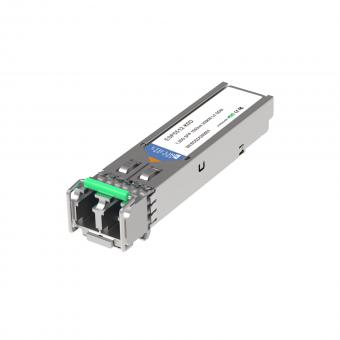
Transceptor óptico LC SFP de 1,25 G, 1550 nm y 200 km Lee mas
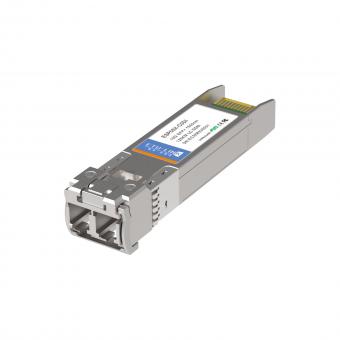

Transceptor óptico LC de 100G QSFP28 LR con sonda Lambda única de 10KM Lee mas
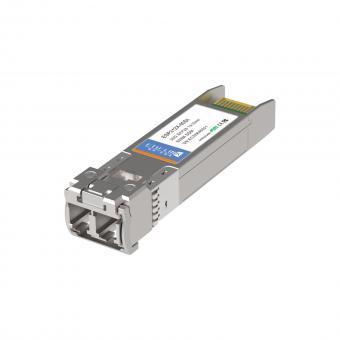
Transceptor óptico de 25G SFP28 ZR 1310nm los 80KM LC Lee mas
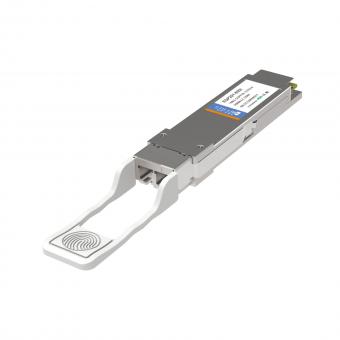
Transceptor óptico de generación II de 100G QSFP28 ZR4 80KM LC Lee mas
Para consultas sobre nuestros productos o lista de precios, déjenoslo y nos pondremos en contacto dentro de las 24 horas.


 13th Floor, Building 6, Honghualing Base, Nanshan Intelligent Manufacturing Base, Liuxian Avenue, Taoyuan Street, Xili, Nanshan District, Shenzhen, China
© Derechos de autor: 2026 ETU-Link Technology CO ., LTD Reservados todos los derechos.

Soporta red IPv6


