

 español



¿Cómo distinguir entre DAC y ACC?
Aquellos que trabajan en centros de datos, mantenimiento de switches y despliegue de clústeres de GPU a menudo se confunden con dos tipos de cables:DAC Pasivo Cobre Cable y ACC Activo Cobre Cable. Se ven casi idénticos, tienen interfaces completamente intercambiables y ambos son cables de cobre de alta velocidad, lo que lleva a muchos a elegir basándose solo en la intuición, resultando en:
1) Atenuación excesiva de la señal y pérdida de paquetes debido a la fluctuación del enlace en escenarios de interconexión de alta velocidad y larga distancia
2) Error de puerto en línea, negociación de enlace inestable
3) La falta de coincidencia en la selección de equipos conduce al desperdicio de recursos y costos de retrabajo en la construcción
Hoy, usaré este artículo para explicar a fondo las diferencias entre DAC y ACC, cómo distinguirlos y los escenarios de selección.
Ⅰ.Principios fundamentales y características técnicas
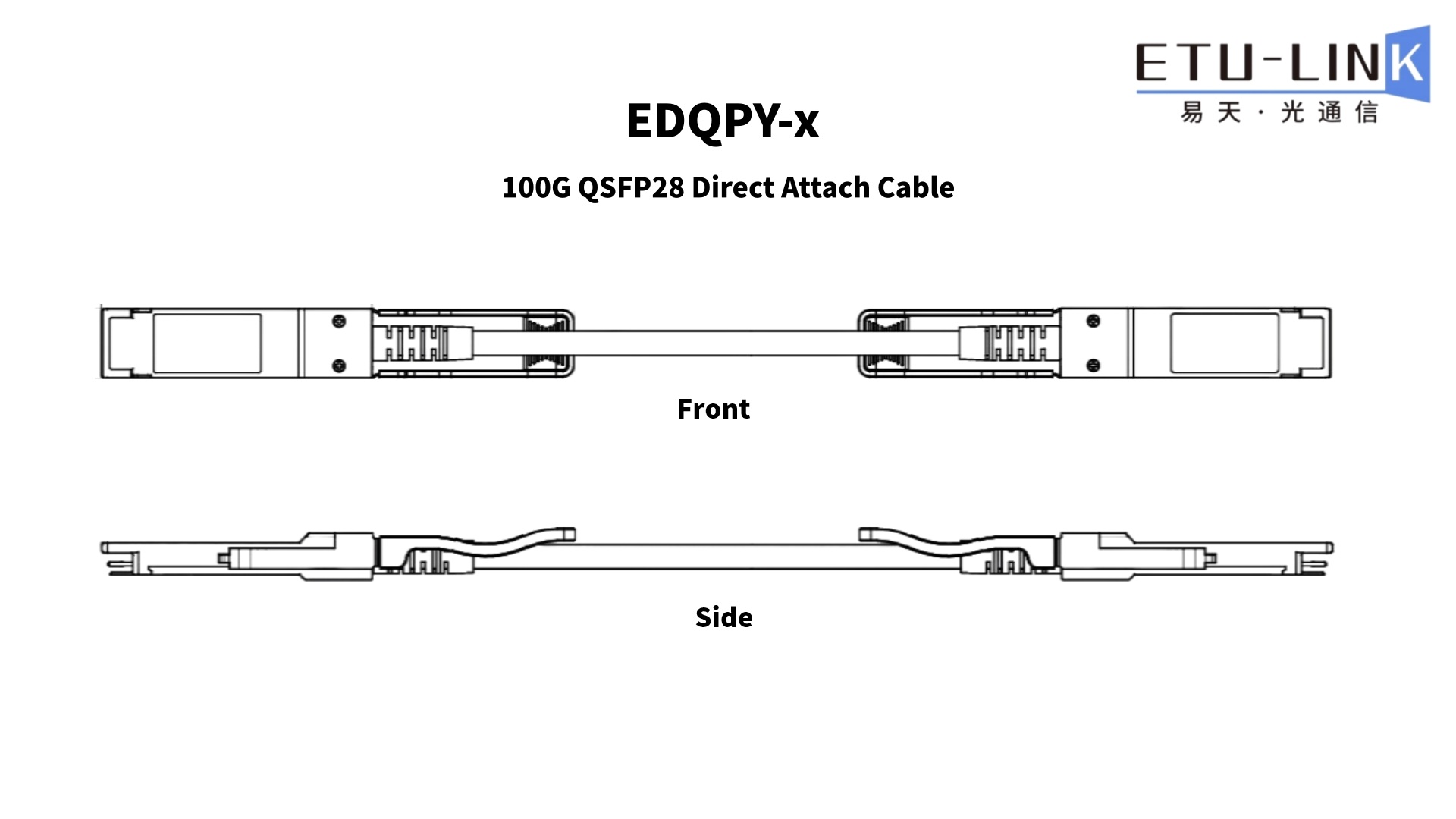
DAC (Cable de conexión directa pasivo)
El cable DAC no tiene chips, circuitos ni unidades de procesamiento de señales. Ambos extremos son solo carcasas metálicas estandarizadas. Transmite directamente señales eléctricas de alta velocidad utilizando cables diferenciales de cobre de alta pureza. No hay amplificación, ecualización ni procesamiento de conformación de señal en todo el proceso. Es un medio de transmisión puramente pasivo.
Características técnicas:
1. Consumo de energía cero y latencia de transmisión extremadamente baja, adecuado para escenarios de computación de latencia ultrabaja.
2. Estructura simple, sin componentes electrónicos, tasa de fallos cercana a cero y estabilidad extremadamente alta.
3. Producción en masa madura, costo asequible y compatibilidad con todas las marcas de equipos de comunicación de datos.
4. Carece de capacidad de compensación de señal; la atenuación de la transmisión es significativa en escenarios de alta velocidad, lo que limita la distancia de transmisión.
ACC (Cable de cobre activo)
Basado en los cables de cobre tradicionales, el ACC integra un chip ecualizador analógico Redriver en el extremo del conector, que puede amplificar la ganancia, compensar la pérdida y ecualizar la forma de onda de las señales eléctricas de alta velocidad que se atenúan y distorsionan durante la transmisión, mejorando eficazmente la integridad de la señal de los enlaces de alta velocidad y superando las limitaciones de distancia de transmisión del DAC.
Características técnicas:
1. Excelente capacidad de compensación de señal; la distancia de transmisión a la misma velocidad de datos es muy superior a la de los DAC pasivos.
2. Transmisión de señal eléctrica pura, sin retardo de conversión fotoeléctrica, lo que resulta en un rendimiento de retardo significativamente mejor que el de los cables ópticos activos AOC.
3. El protocolo de interfaz y la forma física son totalmente compatibles con el DAC, y el adaptador puede reemplazarse directamente.
4. Requiere fuente de alimentación en el puerto, tiene un consumo de energía fijo y los chips activos corren el riesgo de fallo del dispositivo.
5. Solo admite compensación de señal analógica, carece de capacidad de reconstrucción de reloj CDR y no puede eliminar por completo el jitter de alta velocidad ni la interferencia entre símbolos.
Ⅱ.Diferenciación rápida de ingeniería: identificación física + verificación de equipo
1) Identificación por apariencia física (identificación rápida in situ)
Cable de cobre pasivo DAC: ligero, carcasa delgada; construcción ordenada
Las carcasas de los módulos en ambos extremos tienen un grosor uniforme, los puertos de salida no tienen estructura de expansión moldeada por inyección, todo el cable tiene un grosor uniforme, el peso total es ligero, no hay áreas de encapsulación sobresalientes y no hay encapsulaciones de componentes electrónicos internos.
Cable de cobre activo ACC: revestimiento más grueso, protuberancias localizadas
La carcasa del módulo de un solo extremo o de ambos extremos está significativamente engrosada y elevada, con espacio reservado para el empaquetado de PCB y chip en el interior. El peso y el volumen del conector son significativamente mayores que los de un DAC de la misma especificación, y la estructura de moldeo por inyección de la cola es más gruesa y pesada.
2) Reconocimiento de la etiqueta del cable (identificación 100% precisa)
DAC pasivo: Pasivo, cobre pasivo, cable directo pasivo
ACC activo: ACC, cobre activo, Redriver, cobre de equilibrio activo, cobre alimentado
3) Verificación de antecedentes del equipo (verificación de operación y mantenimiento estandarizados)
Al consultar la información del módulo óptico a través de los puertos del switch y del servidor, se puede determinar con precisión el tipo de medio.
DAC: El tipo de identificación del dispositivo es cobre pasivo
ACC: El tipo de identificación del dispositivo es cobre activo/Redriver
Diferencias significativas en las características en condiciones de apagado: el DAC es un medio puramente físico y el apagado no afecta la conducción del enlace; el ACC depende del chip controlador de la fuente de alimentación del puerto, y la función de compensación de señal falla después del apagado, y el enlace se cae directamente.
Ⅲ.Comparación de parámetros principales
Cable de cobre pasivo 800G OSFP DAC
Cable de cobre activo 800G OSFP ACC
Capacidad de señal
Paso directo puro sin compensación, pérdida de alta frecuencia de 800G, sensible a la diafonía
La ecualización analógica Redriver compensa las pérdidas de alta frecuencia y corrige la distorsión de la forma de onda.
Distancia de transmisión
1-2 m, exceder la distancia puede provocar fácilmente errores de bit y anomalías de negociación.
3-5 m, aumentando la distancia de 2 a 3 veces, soportando cableado entre pisos.
Consumo de energía y disipación de calor
Consumo de energía casi nulo, sin presión de disipación de calor
1.5-3 W/línea, las redes de alta densidad tienen carga de disipación de calor.
Características de retardo
Sin sobrecarga de chip, latencia extremadamente baja
La latencia de microsegundos se reduce significativamente, muy superior a 800G AOC.
Estabilidad
Estable a ≤2 m, pero exhibe una degradación precipitada del rendimiento en largas distancias.
Los enlaces son estables a 2-5 m, pero todavía existe un riesgo de fluctuación de alta velocidad más allá de los 5 m.
Rentabilidad
Alta, óptimo para distancias cortas
Media, entre DAC y AEC/AOC
Ⅳ.Especificación de selección de estandarización de ingeniería (señales PAM4 de 100 Gb/s Por Lane)
1) Distancia ≤ 2 m, clúster de baja latencia de IA, rentable y estable → DAC es imprescindible
Con servidores ubicados cerca unos de otros en el rack, saltos cortos de GPU y TOR conectados cerca, es el terreno absoluto para los DAC.
2) Para distancias de 2-5 m, racks de servidores que abarcan varios pisos y donde no se prefieren los cables de fibra óptica, ACC es la opción preferida.
Resuelve el cuello de botella de distancia del DAC mientras conserva la ventaja de baja latencia del puerto eléctrico, ofreciendo una rentabilidad extremadamente alta.
3) Para distancias > 5 m, requisitos de alta estabilidad y cableado entre racks → utilice directamente AOC/AEC
La capacidad de compensación de ACC es limitada y es propensa a fluctuaciones y errores de bit en escenarios de alta velocidad y larga distancia.
¡Eso concluye este artículo! ETU-LINK, como plataforma profesional que ofrece productos y servicios integrales de red óptica, puede proporcionarle módulos ópticos estables, fiables, rentables y eficientes, así como soluciones generales de transmisión de red. Si desea obtener más información sobre productos de comunicación óptica, envíenos un mensaje privado o deje un comentario. ¡Le responderemos lo antes posible después de recibir su consulta!
próximo :
Socio de oro en módulos ópticosCategorías
nuevo blog
Etiquetas
nuevos productos
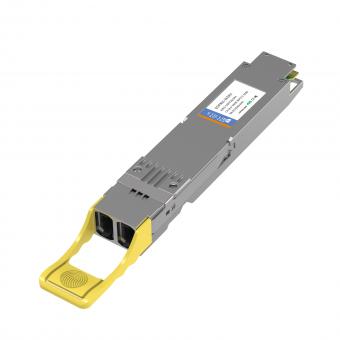
Transceptor óptico 800G OSFP 2×DR4 1310nm 500M MPO12 DDM Lee mas
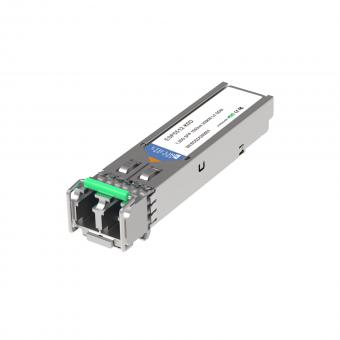
Transceptor óptico LC SFP de 1,25 G, 1550 nm y 200 km Lee mas
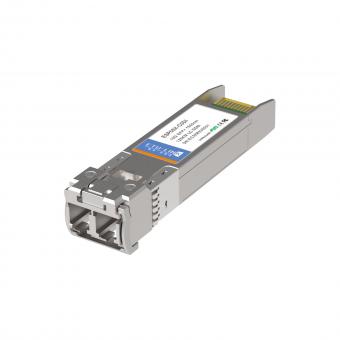

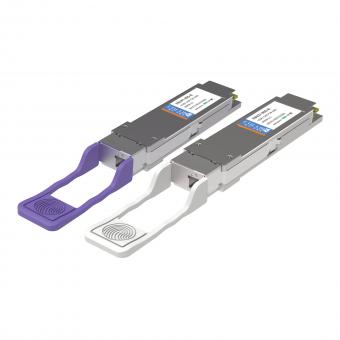
Transceptor óptico LC de 100G QSFP28 LR con sonda Lambda única de 10KM Lee mas
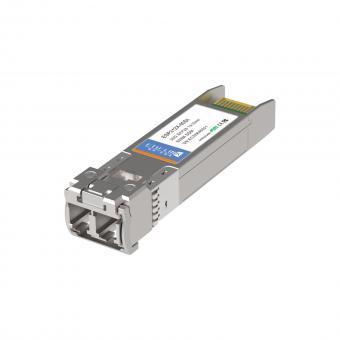
Transceptor óptico de 25G SFP28 ZR 1310nm los 80KM LC Lee mas
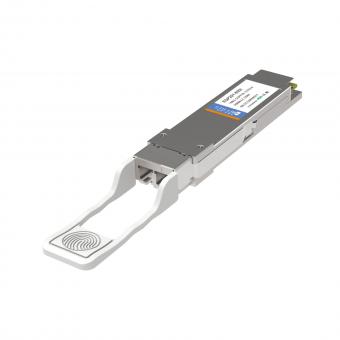
Transceptor óptico de generación II de 100G QSFP28 ZR4 80KM LC Lee mas
Para consultas sobre nuestros productos o lista de precios, déjenoslo y nos pondremos en contacto dentro de las 24 horas.


 13th Floor, Building 6, Honghualing Base, Nanshan Intelligent Manufacturing Base, Liuxian Avenue, Taoyuan Street, Xili, Nanshan District, Shenzhen, China
© Derechos de autor: 2026 ETU-Link Technology CO ., LTD Reservados todos los derechos.

Soporta red IPv6


