

 español



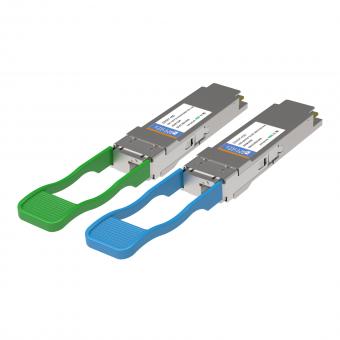
Socio de oro en módulos ópticos
En los centros de datos, las redes empresariales e incluso los clústeres de computación de alto rendimiento, los cables de interconexión de alta velocidad son "capilares" indispensables. En escenarios de interconexión de corta distancia, un par de cables, cada uno con sus ventajas únicas, casi domina la conexión desde el interior del rack del servidor a los racks adyacentes; estos son DAC (Cable de cobre con conector directo) y AOC (Cable Óptico Activo) . Conocida a menudo como el "Socio de Oro" del sector, hoy profundizaremos en las características excepcionales de esta combinación.
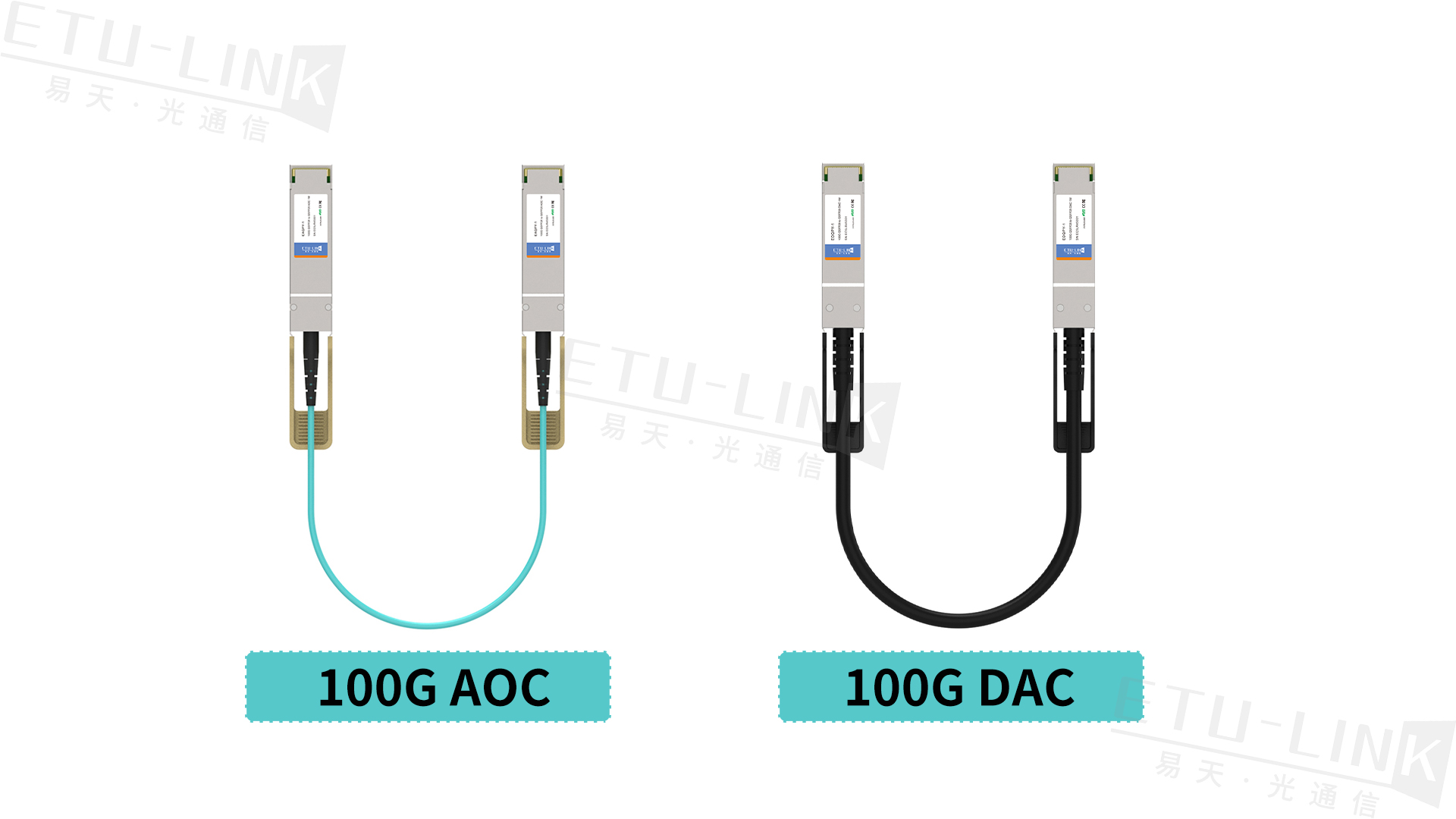
I. Comparación de DAC y AOC T transmisión S soluciones
(1) DAC (Conector directo) : La transmisión es completamente eléctrico . Los impulsos eléctricos desde el extremo transmisor viajan directamente a través del cable de cobre hasta el extremo receptor sin ninguna conversión intermedia. Esto puede entenderse como "señales eléctricas que viajan en un tren de alta velocidad": la señal es rápida en distancias cortas, pero se atenúa y se distorsiona en distancias largas.
(2) AOC (Cable Óptico Activo) : Eléctrico → Óptico → Eléctrico Conversión. El transmisor modula la señal eléctrica en una señal óptica (el láser VCSEL emite luz), que se transmite a través de una fibra óptica. El receptor convierte la luz de nuevo en una señal eléctrica. Es como si "la señal eléctrica viajara primero en avión (luz) y luego se transfiriera de vuelta al transporte terrestre".
Características
DAC (cobre de conexión directa)
AOC (Cable Óptico Activo)
Medio central
Cable de cobre
cable de fibra óptica
Distancia de transmisión
Corto
(normalmente ≤5 metros, en casos extremos de 7 a 10 metros)
Relativamente largo
(normalmente ≤50 metros, puede alcanzar los 100 metros o más).
Costo
Asequible
Moderado (más caro que un DAC; más barato que
módulo óptico + cable de fibra óptica)
Consumo de energía
Extremadamente bajo
(0 W para modo pasivo, <0,5 W para modo activo)
Más bajo
(1-3 semanas)
Peso y flexibilidad
Áspero, pesado, duro
Fino, ligero, suave
Antiinterferencia
Generalmente
(susceptible a interferencias electromagnéticas)
Excelente
(la señal óptica no sufre interferencias)
Tipos comunes
EDSPX-x: DAC SFP+ de 10G
EASPX-xxx: AOC SFP+ de 10G
EDSP2X-x: DAC SFP28 de 25G
EASP2X-xxx: AOC SFP28 de 25G
EDQP4Xx: DAC QSFP+ de 40G/56G
EASP4X-xxx: AOC QSFP+ de 40G
EDQPY-x: DAC QSFP28 de 100 G
EASPY-xx: 100G QSFP28 AOC
Ventajas
Cable de cobre pasivo de alta velocidad con conectores SFP+/SFP28/QSFP+ integrados en ambos extremos, utilizado para la interconexión de dispositivos de corta distancia y alta densidad, con baja latencia y bajo coste.
Cable óptico activo de alta velocidad, que integra láser VCSEL y fibra multimodo, sustituye a la solución de módulo óptico + fibra, ofrece largo alcance, es ligero y presenta una fuerte resistencia a las interferencias.
Longitud
1 m, 2 m, 3 m, 5 m, 7 m
1m~100m ( OM3 multimo
Delaware)
II. ¿Cómo son estos " GRAMO viejo PAG ¿Los artistas trabajan juntos?
En las implementaciones reales de centros de datos, se dividen en las siguientes funciones:
1. Dentro del mismo rack de servidores (servidor ↔ conmutador montado en la parte superior): Usar DAC . Distancia corta (1-2 metros), menor coste, menor consumo energético.
2. Entre gabinetes adyacentes (interruptor de rack superior ↔ interruptor de rack superior/interruptor de final de fila): Usar AOC . Distancia de 10 a 50 metros, requiere cableado ligero y resistencia a las interferencias.
3. Para distancias más largas (conmutador de extremo de fila ↔ conmutador central): utilice módulos ópticos + cables de fibra óptica. Las velocidades de 100 Mbps de AOC son insuficientes; se requiere transmisión a larga distancia a nivel de gigabit.
Anterior :
¿Cómo distinguir entre DAC y ACC?próximo :
Soluciones de productos 400G OSFP a QSFP-DD DACCategorías
nuevo blog
Etiquetas
nuevos productos
Transceptor óptico 800G OSFP 2×DR4 1310nm 500M MPO12 DDM Lee mas
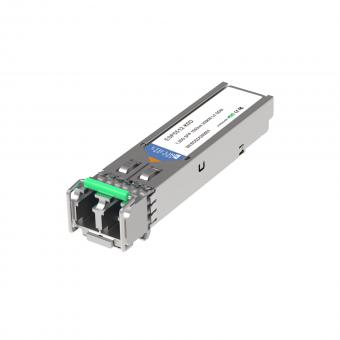
Transceptor óptico LC SFP de 1,25 G, 1550 nm y 200 km Lee mas
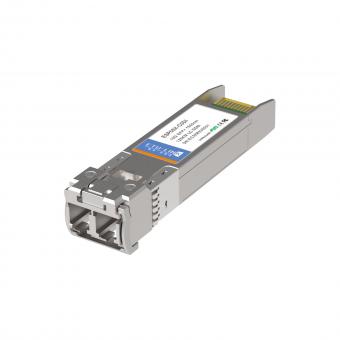

Transceptor óptico LC de 100G QSFP28 LR con sonda Lambda única de 10KM Lee mas
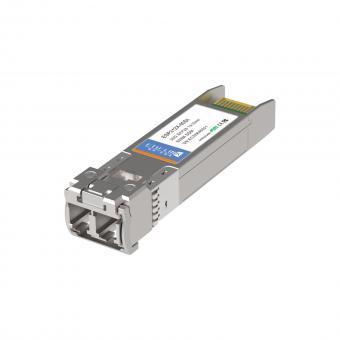
Transceptor óptico de 25G SFP28 ZR 1310nm los 80KM LC Lee mas
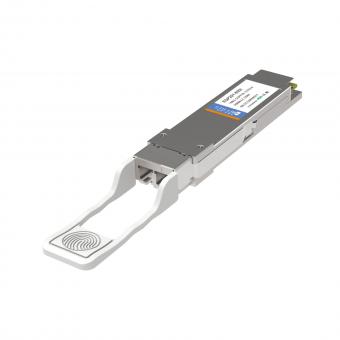
Transceptor óptico de generación II de 100G QSFP28 ZR4 80KM LC Lee mas
Para consultas sobre nuestros productos o lista de precios, déjenoslo y nos pondremos en contacto dentro de las 24 horas.


 13th Floor, Building 6, Honghualing Base, Nanshan Intelligent Manufacturing Base, Liuxian Avenue, Taoyuan Street, Xili, Nanshan District, Shenzhen, China
© Derechos de autor: 2026 ETU-Link Technology CO ., LTD Reservados todos los derechos.

Soporta red IPv6


