

 español



¿Cuáles son los términos profesionales de la industria de la comunicación óptica?
La industria de las comunicaciones ópticas cuenta con un sistema integral y profesional de terminología técnica, con numerosas abreviaturas y términos profesionales, lo que supone una importante barrera cognitiva para los recién llegados.Tras acumular una amplia experiencia en la industria y comprender la ineficiencia de la memorización mecánica, este artículo recopila sistemáticamente los términos esenciales que aparecen con frecuencia en las comunicaciones ópticaspara ayudar a los principiantes a desarrollar rápidamente conocimientos de la industria. Con información práctica, es una forma rápiday sencillade dominar los fundamentos de la industria!
Clasificación
Términos técnicos/Abreviaturas
Explicación detallada y escenarios aplicables
Láser
(Transmisor)
EML
(Láser modulado electrónicamente)
Integra el láser y el modulador, ofrece un rendimiento estable y es adecuado para escenarios de transmisión óptica de larga distancia y alta velocidad.
DML
(Láser modulado directamente)
Con una estructura simple y una alta relación costo-efectividad, se utiliza principalmente en escenarios convencionales de transmisión de media y corta distancia.
DFB
(Láser de retroalimentación distribuida)
Emite una fuente de luz de modo longitudinal único con excelente calidad de haz, lo que lo convierte en un láser principal para transmisión de larga distancia.
VCSEL
(Láser emisor de superficie de cavidad vertical)
Se adapta a escenarios de transmisión multimodo de corta distancia y se utiliza ampliamente para interconexiones de corta distancia en centros de datos.
Detector
(Receptor)
Fotodiodo PIN
Dispositivo de detección de señales ópticas de uso general con rápida velocidad de respuesta, adecuado para la mayoría de los escenarios de corta y media distancia.
APD
(Fotodiodo de avalancha)
Cuenta con un efecto de multiplicación de señales ópticas, lo que proporciona una mayor sensibilidad de detección y es adecuado para detección de baja intensidad de luz y transmisión de larga distancia.
Componentes del transceptor
TOSA
La función principal del componente fotoeléctrico de emisión es convertir señales eléctricas en señales ópticas.
ROSA
La función principal del componente fotoeléctrico de recepción es convertir señales ópticas en señales eléctricas.
BOSA
Integra funciones duales de transmisión y recepción, componente transceptor optoelectrónico todo en uno
Encapsulado de módulos ópticos
SFP/QSFP/OSFP
El empaquetado estándar de la industria define las dimensiones físicas y las especificaciones de interfaz eléctrica de los módulos ópticos para adaptarse a diferentesvelocidades de transmisión.
Efectos no linealess
(SPM/FWM)
Clasificación
Términos técnicos/ Abreviaturas
Explicación detallada y escenarios aplicables
Componentes pasivos
AWG
(Rejilla de guía de onda en matriz)
Función principal: realizar la multiplexación y demultiplexación de señales ópticas de múltiples longitudes de onda; un componente central de la transmisión por multiplexación por división de longitud de onda (WDM).
Divisor óptico PLC
Los componentes centrales de la red PON se utilizan para lograr una distribución uniforme de potencia óptica y se emplean ampliamente en redes de acceso de banda ancha.
Aislador óptico
Evitar que la luz reflejada interfiera con la fuente de luz y garantizar el funcionamiento estable del sistema de transmisión óptica.
Clasificación de las fibras ópticas
Fibra monomodo
Con un diámetro del núcleo de fibra de aproximadamente 9μm, presenta baja pérdida de transmisión y transmisión a larga distancia, por lo que se utiliza principalmente para transmisión de larga distancia en redes troncales, redes de área metropolitana y otras aplicaciones similares.
Fibra multimodo
Con un diámetro del núcleo de fibra de 50μm/62.5μm, tiene una distancia de transmisión relativamente corta y se utiliza principalmente para interconexiones de corta distancia dentro de centros de datos y salas de equipos.
Bandas de transmisión
Banda C
(1530nm-1565nm)
La banda de longitud de onda central de la fibra óptica de sílice, que tiene la menor pérdida, es la ventana de operación principal para la transmisión óptica a larga distancia.
Banda L
A menudo se utiliza junto con la banda C, amplía eficazmente la capacidad de los sistemas de transmisión óptica y mejora la utilización del ancho de banda.
Banda O
(1260nm-1360nm)
Los cables de fibra óptica tienen bajos valores de dispersión y una distorsión mínima de la transmisión de señales, por lo que son adecuados para sistemas de transmisión CWDM.
Características de transmisión
Dispersión
El fenómeno de ensanchamiento durante la transmisión de pulsos ópticos está compuesto por la dispersión del material y la dispersión de la guía de onda; la dispersión de la fibra monomodo a 1550nm es aproximadamente 17ps/nm/km, lo que afecta la velocidad y la distancia de transmisión.
Efecto de transmisiónción
Fenómenos como la modulación de fase propia y la mezcla de cuatro ondas son factores clave que limitan la entrada de potencia óptica en la fibra y afectan la estabilidad de la transmisióngracias.
Clasificación
Términos técnicos /Abreviaturas
Explicación detallada y escenarios aplicables
Tecnología de multiplexación por división de longitud de onda (WDM)
DWDM
La multiplexación densa por división de longitud de onda (DWDM) presenta un espaciado de longitud de onda extremadamente pequeño (0.8nm/0.4nm), múltiples canales y alta eficiencia espectral, lo que la hace adecuada para la transmisión de larga distancia y alta capacidad en redes troncales.
CWDM
La multiplexación por división de longitud de onda gruesa (CWDM), con un espaciado de longitud de onda de 20nm, elimina la necesidad de un control de temperatura de alta precisión, lo que reduce los costos y la hace adecuada para escenarios de transmisión de corta a media distancia y de pequeña capacidad.
Tecnología de acceso PON
PON
La topología de red óptica pasiva punto a multipunto, sin dispositivos activos, es sencilla de construir y de bajo costo, lo que la convierte en la arquitectura principal de acceso de banda ancha.
OLT/ODN/ONU
OLT: Equipo central de oficina; ODN: Red de distribución óptica pasiva; ONU: Equipo terminal de usuario. Los tres juntos constituyen un sistema completo de acceso PON.
EPON/GPON
EPON se basa en el protocolo Ethernet y es compatible con la banda ancha convencional; GPON utiliza encapsulación GEM, lo que proporciona una eficiencia y estabilidad de transmisión superiores.
10G PON/50G PON
10G PON se ha implementado comercialmente a gran escala; 50G PON es la dirección de evolución del núcleo de acceso de banda ancha de alta velocidad de próxima generación.
Arquitectura de transmisión
OTN/OPU/ODU/OTU
Utiliza una estructura de trama digital superpuesta a la capa física DWDM, una arquitectura jerárquica de múltiples capas y cuenta con potentes capacidades de gestión de sobrecarga y conmutación de protección contra fallos, lo que la convierte en la arquitectura central para la transmisión troncal.
Clasificación
Términos técnicos/Abreviaturas
Explicación detallada y escenarios aplicables
Protocolo de interoperabilidad
MSA
(Protocolo multifuente)
Unificar los estándares de productos de la industriapara lograr la compatibilidad e interoperabilidad de módulos ópticos y equipos de transmisión de diferentes fabricantes.
Sistema de estándares de la industria
ITU-T
Desarrollar estándares y especificaciones centrales para la industria de comunicaciones ópticas utilizada a nivel mundialscomo la fibra óptica G.652 y la serie PON G.984.
IEEE
Liderando el desarrollo de la serie de estándares Ethernet 802.3 y estandarizando las reglas para los protocolos de transmisión Ethernet en redes ópticas.
Certificación de acceso al mercado
RoHS/CE/FCC
Las certificaciones de cumplimiento reconocidas internacionalmente son un requisito previo fundamental para la venta y el acceso al mercado de módulos ópticos y equipos de comunicación óptica.
Categorías
nuevo blog
Etiquetas
nuevos productos
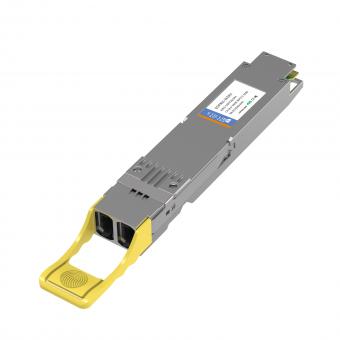
Transceptor óptico 800G OSFP 2×DR4 1310nm 500M MPO12 DDM Lee mas
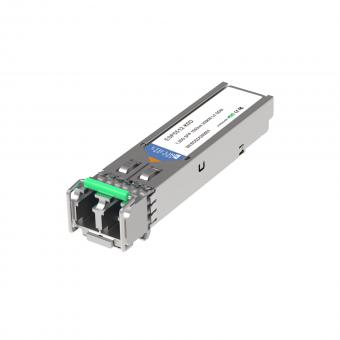
Transceptor óptico LC SFP de 1,25 G, 1550 nm y 200 km Lee mas
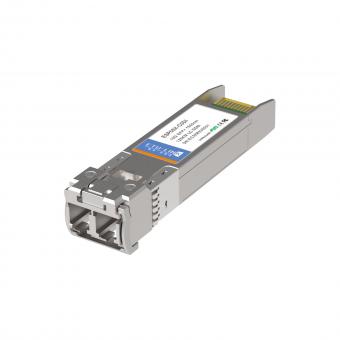

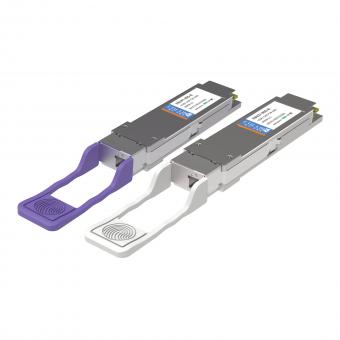
Transceptor óptico LC de 100G QSFP28 LR con sonda Lambda única de 10KM Lee mas
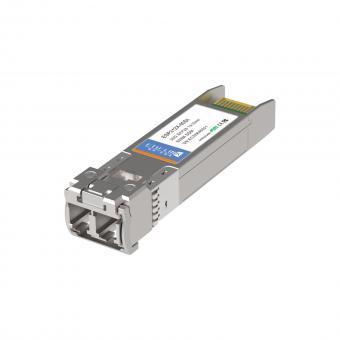
Transceptor óptico de 25G SFP28 ZR 1310nm los 80KM LC Lee mas
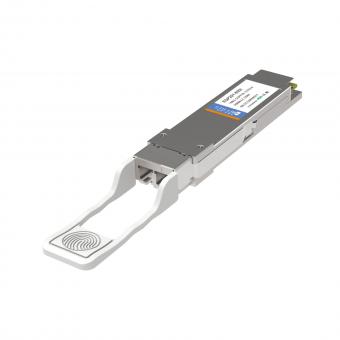
Transceptor óptico de generación II de 100G QSFP28 ZR4 80KM LC Lee mas
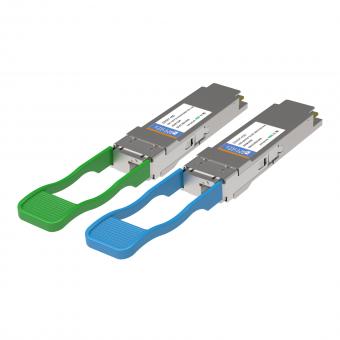
Para consultas sobre nuestros productos o lista de precios, déjenoslo y nos pondremos en contacto dentro de las 24 horas.


 13th Floor, Building 6, Honghualing Base, Nanshan Intelligent Manufacturing Base, Liuxian Avenue, Taoyuan Street, Xili, Nanshan District, Shenzhen, China
© Derechos de autor: 2026 ETU-Link Technology CO ., LTD Reservados todos los derechos.

Soporta red IPv6


