

 español



Análisis en profundidad de las políticas industriales para módulos ópticos
En el pasado, al hablar de potencia de computación de IA, la atención de todos se centraba en las GPU y los servidores, pero en 2026, la tendencia cambió por completo.
Desde documentos de alto nivel del Ministerio de Industria y Tecnología de la Información y la Comisión Nacional de Desarrollo y Reforma hasta una serie de planes de apoyo de la provincia de Guangdong y Shenzhen, se ha implementado una serie de políticas importantes de forma sucesiva. Un dispositivo pequeño y discreto escondido en lo profundo del gabinete— el módulo óptico — alguna vez considerado un "accesorio de comunicación", ha sido impulsado oficialmente a la base estratégica de la potencia de computación de IA y las redes 6G.
Muchas personas solo entienden las políticas como "Desarrollos positivos, Subsidios e Industria Próspera".
Pero bajo la superficie, se esconden tres líneas rojas irreversibles para la industria.
Figura 1: 800G/1.6T se convierte en la configuración estándar para los centros de computación inteligente de 10,000 tarjetas recién construidos
La política exige claramente que los clústeres de computación inteligente recién construidos con una capacidad de 10,000 kilovatios en China deben estar equipados con módulos ópticos de alta velocidad de 800G y 1.6T como estándar, y los módulos de baja velocidad de 400G deben eliminarse gradualmente de la nueva lista de adquisiciones.
En términos simples:
En el pasado, las actualizaciones de velocidad dependían de iteraciones graduales impulsadas por la demanda del mercado; ahora, las políticas establecen plazos para las actualizaciones.
La construcción de infraestructura de computación a gran escala nacional ya no deja espacio para productos de baja velocidad. 800G es una necesidad actual, 1.6T ha cambiado de una "dirección futura" a una tarea para el despliegue a gran escala, y 3.2T ha entrado en la vía de la reserva tecnológica.
Para los fabricantes que aún se aferran a la capacidad de 400G, el techo del mercado nacional de potencia de computación se ha reducido gradualmente.
Figura 2: Tasa de localización para clústeres de computación inteligente a nivel nacional ≥ 70%
Esta es la regla que se pasa por alto más fácilmente, pero que tiene el impacto más profundo.
Es 70% producido a nivel nacional, no solo un simple ensamblaje de carcasas fabricadas en el país. El verdadero cuello de botella reside en el chip óptico de alta velocidad.
Actualmente, muchos fabricantes nacionales de módulos todavía dependen de la adquisición en el extranjero de chips láser. Si los chips de aguas arriba no pueden controlarse de forma independiente, incluso si el producto terminado se ensambla a nivel nacional, será difícil superar este obstáculo de la producción nacional.
La estructura de beneficios de la industria también experimentará una gran reorganización.
En el pasado, los beneficios se concentraban en la fabricación de módulos ópticos de nivel intermedio; en el futuro, el centro de valor se desplazará hacia aguas arriba: los sustratos de fosfuro de indio, los chips ópticos EML de alta velocidad y los materiales de niobato de litio de película delgada se convertirán en el principal campo de batalla para la cadena industrial durante los próximos 3 a 5 años. El Fondo Especial Nacional de Fosfuro de Indio apunta precisamente a esta debilidad para fortalecer la cadena de suministro.
Figura 3: El objetivo de autosuficiencia para chips ópticos de gama alta es del 45% para 2028.
Esto no es solo un eslogan, sino una lista de tareas con cronogramas específicos.
Los chips ópticos de alta velocidad siempre han sido el eslabón más débil en la cadena de suministro de potencia informática de China. Los objetivos claros de la política significan que, durante los próximos dos años, los subsidios de I+D, los proyectos de demostración y los pedidos de adquisición de potencia informática se inclinarán hacia las empresas que desarrollen sus propios chips ópticos.
Una lectura exhaustiva del conjunto completo de políticas para 2026 revela una dirección tecnológica nacional clara: interconexiones optoelectrónicas de bajo consumo CPO, LPO y NPO, con módulos de fotónica de silicio siendo el enfoque a largo plazo.
¿Por qué el gobierno apoya firmemente esta ruta?
Existe un problema físico que no se puede evitar en el desarrollo de la potencia informática.
A medida que las velocidades de los módulos ópticos avanzan de 800G a 1.6T y 3.2T, el consumo de energía de los módulos ópticos enchufables tradicionales aumentará drásticamente. La interconexión de decenas de miles de clústeres de GPU y la enorme cantidad de módulos ópticos generan una enorme presión de consumo de energía, lo que aumenta significativamente la presión de gestión del PUE en los centros de datos.
Corto plazo (1-2 años): los módulos ópticos enchufables de 1.6T seguirán siendo el pilar de la entrega al mercado ;
A medio y largo plazo (2-4 años): las soluciones de coempaquetado optoelectrónico CPO se adoptarán gradualmente en centros de computación inteligente a gran escala, reduciendo el consumo de energía de los clústeres informáticos interconectados.
En resumen: lo enchufable es el presente, el coempaquetado es el futuro.
Las empresas que ahora invierten en investigación y desarrollo de CPO, fotónica de silicio y niobato de litio tendrán una probabilidad significativamente mayor de recibir subsidios locales de I+D y proyectos de demostración.
Muchas personas se preguntan cuál es la relación entre las políticas nacionales, provinciales y municipales. De hecho, la división del trabajo entre los tres es muy clara, formando un sistema completo de "apoyo a la cadena industrial con objetivos de alto nivel para proyectos que aborden las deficiencias".
1. Nivel nacional: Establecer estándares, fijar umbrales y superar cuellos de botella.
El gobierno ha introducido reglas estrictas para la adquisición de potencia informática, ha establecido límites de producción nacional y objetivos de autosuficiencia de chips, y ha creado un fondo especial para la industria del fosfuro de indio, con un enfoque en las restricciones y la investigación de alto nivel.
2. Nivel de la provincia de Guangdong: Trazar caminos de desarrollo a largo plazo y abordar las debilidades en la cadena industrial (2026-2035)
La comunicación óptica, los chips ópticos y la computación óptica se incluirán en el nuevo plan de trayectoria de desarrollo de la provincia. Se continuará con el programa de apoyo para chips ópticos y se otorgarán recompensas de I+D para proyectos de fabricación de fosfuro de indio y chips ópticos para crear escenarios de demostración para módulos ópticos de alta velocidad producidos a nivel nacional.
3. Nivel de la ciudad de Shenzhen: Apoyo financiero sustancial para la implementación de la producción en masa
Se ha lanzado un plan de acción para la cadena de la industria de servidores de IA con el fin de fomentar la producción en masa de servidores de 800G y 1.6T, con proyectos de I+D de CPO que reciben subsidios de hasta 10 millones de yuanes y un límite de financiación de I+D por proyecto individual de hasta 30 millones de yuanes. El objetivo es crear un clúster de cadena industrial local líder para "módulos ópticos de servidor y chips ópticos" a nivel nacional.
En medio de una ola de cambios en las políticas, ha comenzado una diferenciación estructural dentro de la industria.
Empresas que entran en un período de crecimiento
Un fabricante de módulos de nivel intermedio que ha completado la producción en masa de 800G, ha aumentado con éxito la producción de productos de 1.6T y está planificando con visión de futuro la I+D de 3.2T;
Una empresa IDM con la capacidad de desarrollar de forma independiente chips ópticos EML de alta velocidad, cumpliendo con el umbral de adquisición nacional;
El equipo de I+D está desarrollando proactivamente nuevas rutas tecnológicas como CPO, fotónica de silicio y niobato de litio de película delgada.
Empresas que enfrentan una presión significativa
La capacidad de producción se concentra en módulos de baja velocidad de 400G o menos, mientras que la iteración de productos de alta velocidad se queda atrás.
Los chips de gama alta se obtienen en su totalidad del extranjero, con una falta de cadenas de suministro nacionales alternativas.
Existe una inversión insuficiente en la investigación y el desarrollo de la próxima generación de tecnología de interconexión de bajo consumo.
Al mismo tiempo, el mercado se ha dividido en dos vías.En el mercado nacional de potencia informática, los fabricantes nacionales están ganando una ventaja de campo local cada vez más clara, mientras que los mercados extranjeros siguen siendo altamente competitivos a escala global.La trayectoria de crecimiento de las empresas líderes, caracterizada por un modelo de "doble circulación nacional + extranjera", es cada vez más clara.
Ⅴ.Finalmente, discutamos los riesgos detrás de los beneficios de la política.
Las bonificaciones no significan victorias fáciles; también debemos ver los límites ocultos.
1. El requisito del 70% de contenido nacionalse aplica solo a los clústeres de computación inteligente a nivel nacional.Los centros de datos construidos comercialmente y los pedidos extranjeros no están sujetos a esta regla obligatoria.
2. Los incentivos de proyectos gubernamentales y los premios de demostración no equivalen a pedidos garantizados. Si una tecnología puede comercializarse depende, en última instancia, de su competitividad en términos de rendimiento, consumo de energía y costo.
3. La velocidad de iteración del producto es muy rápida, con iteraciones continuas de 800G a 1.6T y a 3.2T. Los costos de inversión en I+D siguen siendo altos, y si el ritmo de iteración se queda atrás, la empresa será dejada atrás por el mercado.
El auge de los módulos ópticos nunca ha sido el resultado de la especulación en un solo mercado.
Cuando la política lo eleva de un componente de transmisión discreto a un nivel estratégico como base de la potencia informática de IA, vemos una clara tendencia a largo plazo:actualizaciones de velocidad + sustitución nacional + transformación de interconexión optoelectrónica de bajo consumo, estas tres fuerzas impulsoras propulsan a la industria de módulos ópticos hacia un nuevo ciclo.
En la carrera por la potencia informática, la competencia final no es solo sobre las GPU, sino también sobre la velocidad de la "cinta transportadora".
Y esta cinta transportadora de potencia informática está marcando el comienzo de su propia era.
¡Comprender las políticas es la clave para entender los ciclos de la industria!Dale me gusta y guardaesta publicación para mantenerte actualizado sobre la lógica central de la industria de módulos ópticos. Síguenos para mantenerte al día con las últimas tendencias en la industria optoelectrónica de IA.
Tema interactivo: ¿Cuándo crees que el motor de 1.6T estará ampliamente disponible comercialmente?Siéntete libre de dejar tus pensamientos en la sección de comentarios.
Política
Autoridad emisora
Plan de acción para la mejora de la cadena de la industria de potencia informática de IA
Ministerio de Industria y Tecnología de la Información, Comisión Nacional de Desarrollo y Reforma
Opiniones de implementación sobre el desarrollo innovador de "Inteligencia Artificial + Información y Comunicación" (2026-2028)
Ministerio de Industria y Tecnología de la Información
Libro blanco sobre el desarrollo de la industria de módulos ópticos de alta velocidad (2026)
Ministerio de Industria y Tecnología de la Información
Plan de acción para estabilizar el crecimiento en la industria de fabricación de información electrónica (2025-2026)
Ministerio de Industria y Tecnología de la Información
Catálogo de industrias que fomentan la inversión extranjera (edición de 2025)
Comisión Nacional de Desarrollo y Reforma, Ministerio de Comercio
Plan de acción de la provincia de Guangdong para acelerar el cultivo y desarrollo de nuevas áreas de crecimiento para liderar la construcción de un sistema industrial moderno (2026-2035)
Gobierno Popular de la provincia de Guangdong
Plan de acción de la provincia de Guangdong para el desarrollo innovador de la industria de chips ópticos (2024-2030) (implementación continua)
Gobierno Popular de la provincia de Guangdong
Plan de acción de Shenzhen para acelerar el desarrollo de alta calidad de la cadena industrial de servidores de inteligencia artificial (2026-2028) )
Oficina Municipal de Industria y Tecnología de la Información de Shenzhen
Política de financiación de I+D de 2026 de la municipalidad de Shenzhen para industrias clave (programa especial de computación óptica y transmisión de información óptica)
Oficina Municipal de Innovación Científica y Tecnológica de Shenzhen
Referencias
Categorías
nuevo blog
Etiquetas
nuevos productos
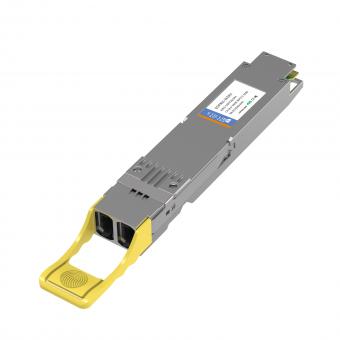
Transceptor óptico 800G OSFP 2×DR4 1310nm 500M MPO12 DDM Lee mas
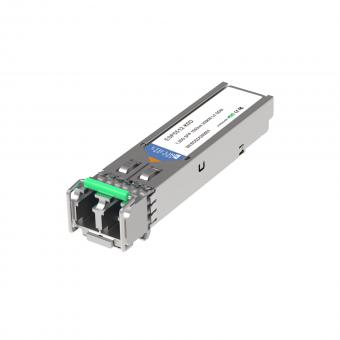
Transceptor óptico LC SFP de 1,25 G, 1550 nm y 200 km Lee mas
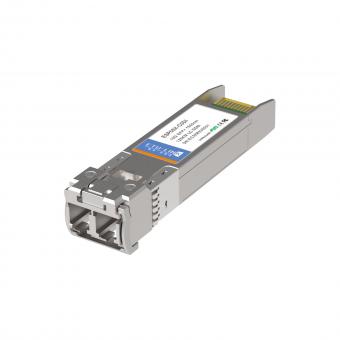

Transceptor óptico LC de 100G QSFP28 LR con sonda Lambda única de 10KM Lee mas
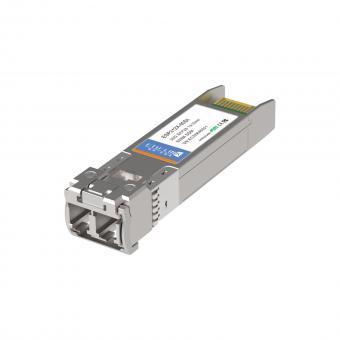
Transceptor óptico de 25G SFP28 ZR 1310nm los 80KM LC Lee mas
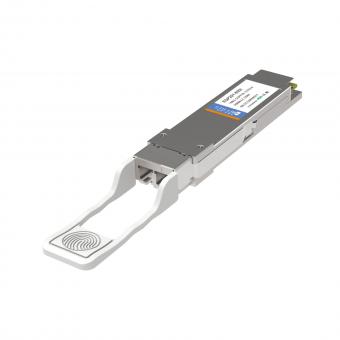
Transceptor óptico de generación II de 100G QSFP28 ZR4 80KM LC Lee mas
Para consultas sobre nuestros productos o lista de precios, déjenoslo y nos pondremos en contacto dentro de las 24 horas.


 13th Floor, Building 6, Honghualing Base, Nanshan Intelligent Manufacturing Base, Liuxian Avenue, Taoyuan Street, Xili, Nanshan District, Shenzhen, China
© Derechos de autor: 2026 ETU-Link Technology CO ., LTD Reservados todos los derechos.

Soporta red IPv6


