

 español




¿Qué módulos ópticos tienen mayor demanda en los centros de datos de Google?
A medida que se intensifica la carrera por la potencia informática de IA, Google está ampliando agresivamente su infraestructura informática global. En esta carrera armamentística, los módulos ópticos, que sirven como la "autopista" para la transmisión de datos, se han convertido en una de las categorías centrales de adquisición para la construcción de los centros de datos de Google. Basándose en datos de organizaciones de terceros como TrendForce y LightCounting, a continuación se describen las áreas clave de demanda de módulos ópticos de Google.
Ⅰ.Resumen de los datos de requisitos principales para módulos ópticos
| Indicador | Datos | Fuente |
| Envíos de TPU de Google en 2026 | Casi 4 millones de piezas | TrendForce |
| Demanda de módulos ópticos de 800G y superiores en 2026 | Más de 6 millones de piezas | TrendForce |
| Participación de envíos globales de módulos de 800G y superiores en 2024 | 19,50% | TrendForce |
| Participación de envíos globales de módulos de 800G y superiores en 2026 | Más del 60% | TrendForce |
| Google Envíos de módulos de 800G de Google en el cuarto trimestre de 2023 (trimestre a trimestre) | Aumento del doble | LightCounting |
| Google Envíos de módulos de 800G de Google en el cuarto trimestre de 2023 (interanual) | Aumento de 30 veces | LightCounting |
| Google Volumen total de adquisición de módulos ópticos en 2025 | Aproximadamente 3,5 millones de piezas | —— |
Generaciones de TPU
Red de escalado vertical (ICI)
Red de escalado horizontal (DCN)
TPU V8
Módulo óptico de 1,6T
NIC de 800G
TPU V7
Uso mixto de 800G/1.6T
NIC de 400G
TPU V6
Uso mixto de 400G/800G
—
Con el aumento de la participación de envíos de la nueva versión de TPU en 2026, la demanda de 1.6T y 800G se verá impulsada significativamente.
Proveedores
Cuota de mercado de 800G
Posición en 1.6T
Principal fabricante de módulos ópticosen Suzhou
50%-70%
Proveedor exclusivo
Principal fabricante de módulos ópticos en Chengdu
20%
Ya ha entrado en la cadena de suministro
Ambos combinados
Casi el 80% de los pedidos
——
Un importante fabricante de módulos ópticos con sede en Suzhouha completado las pruebas conjuntas con Google de sus módulos ópticos 1.6T y se espera que entre en producción masiva en 2025.Los datos de investigación de mercado indican que la demanda total de Google de módulos ópticos 1.6T en 2026 se prevé que esté entre 3 millones y 4 millonesunidades .
IV. Parámetros de la arquitectura técnica de los módulos ópticos
El núcleo de la tecnología de red óptica completa Apollo OCS de Google reside en el uso de microespejos (MEMS) para conectar directamente fibras de datos, evitando el consumo de energía y la latencia causados por la conmutación repetida entre "óptico" y "eléctrico" en las tecnologías tradicionales. Un único conmutador OCS consume solo unos 100 vatios, frente a los 3.000 vatios de un conmutador tradicional, reduciendo el consumo energético aproximadamente un 95%. Más importante aún, esta arquitectura proporciona a Google una enorme flexibilidad de actualización: si en el futuro es necesario aumentar el ancho de banda de 800G a 1.6T, solo será necesario sustituir los módulos ópticos de alta velocidad, sin tener que reconstruir todo el sistema.
Resumen
La demanda de módulos ópticos de los centros de datos de Google se concentra principalmente en dos niveles de velocidad:800G y 1.6T. 800G ya ha entrado en una fase de implementación a gran escala, mientras que 1.6T está acelerando su crecimiento. Con la continua expansión de los clústeres de TPU y el avance de la implementación de redes ópticas completas OCS, se espera que esta tendencia de demanda se mantenga fuerte en los próximos años.
Fuente de datos:
1. https://www.trendforce.com.cn/presscenter/news/20260210-12920.html
2. https://www.trendforce.com/presscenter/news/20260210-12919.html
3. https://www.lightcounting.com/newsletter/chinese/march-2024-quarterly-market-update-288
Categorías
nuevo blog
Etiquetas
nuevos productos
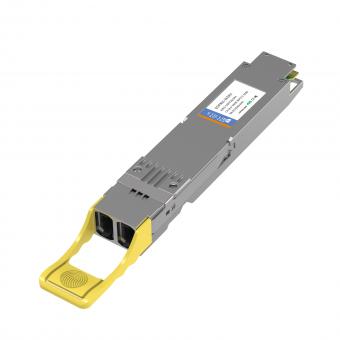
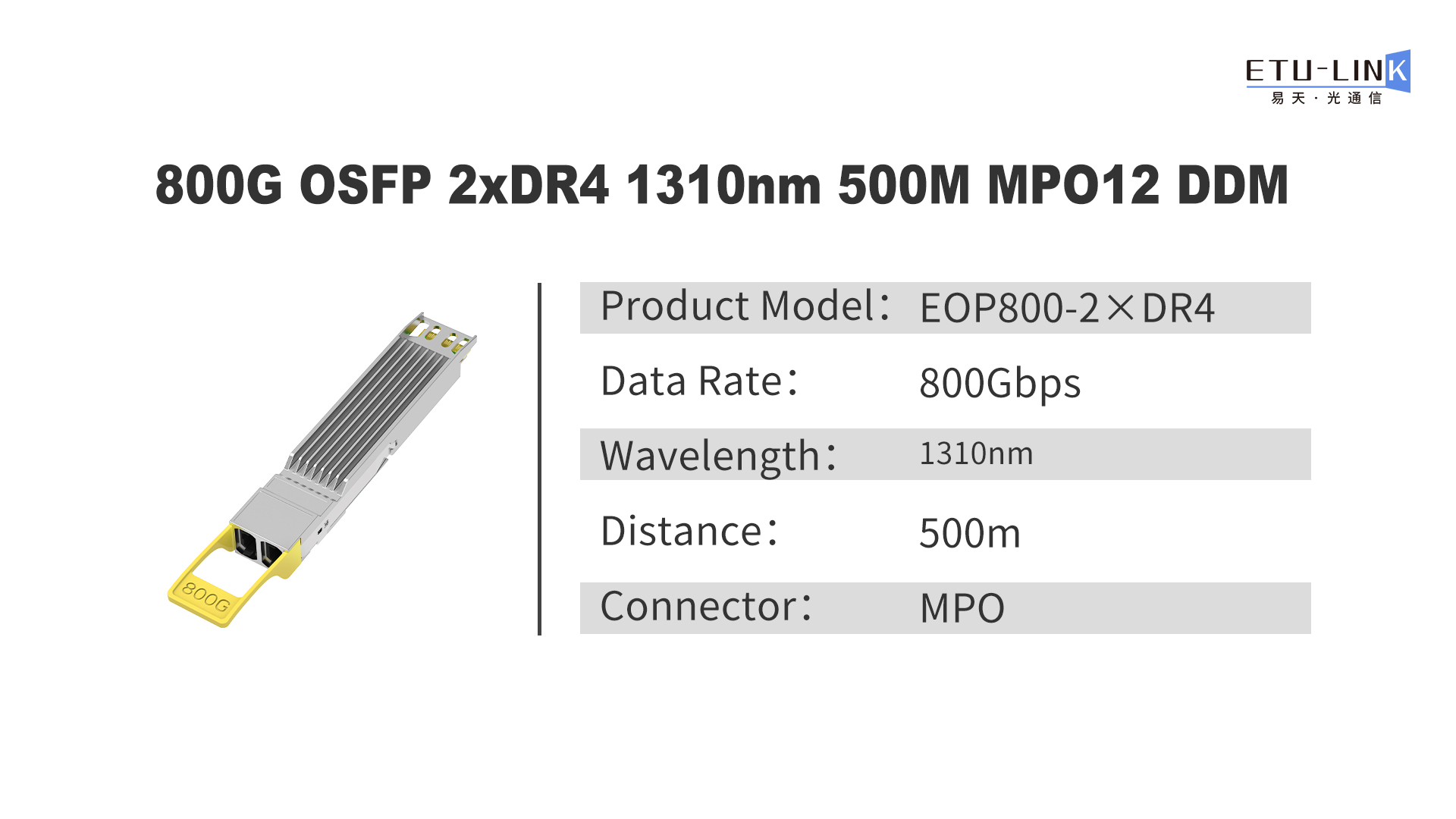
Transceptor óptico 800G OSFP 2×DR4 1310nm 500M MPO12 DDM Lee mas
Transceptor óptico LC SFP de 1,25 G, 1550 nm y 200 km Lee mas
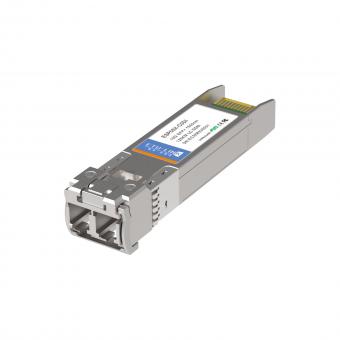

Transceptor óptico LC de 100G QSFP28 LR con sonda Lambda única de 10KM Lee mas
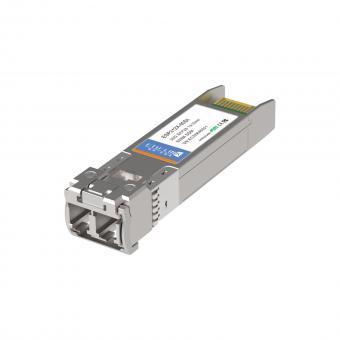
Transceptor óptico de 25G SFP28 ZR 1310nm los 80KM LC Lee mas
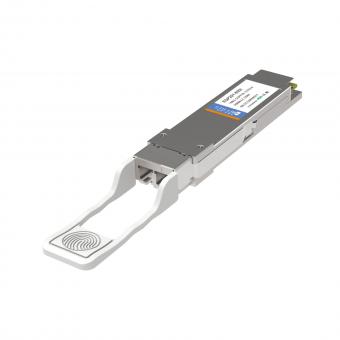
Transceptor óptico de generación II de 100G QSFP28 ZR4 80KM LC Lee mas
Para consultas sobre nuestros productos o lista de precios, déjenoslo y nos pondremos en contacto dentro de las 24 horas.


 13th Floor, Building 6, Honghualing Base, Nanshan Intelligent Manufacturing Base, Liuxian Avenue, Taoyuan Street, Xili, Nanshan District, Shenzhen, China
© Derechos de autor: 2026 ETU-Link Technology CO ., LTD Reservados todos los derechos.

Soporta red IPv6


