

 español




Analysis of Hardware and Software Compatibility in Optical Modules
Optical module compatibility is crucial for stable network operation, and it mainly falls into two categories: hardware compatibility and software compatibility. Hardware ensures normal physical layer connection, while software enables module identification, link negotiation, and normal functioning. The vast majority of optical module port downtime, disconnections, and malfunctions are caused by hardware and software incompatibility.
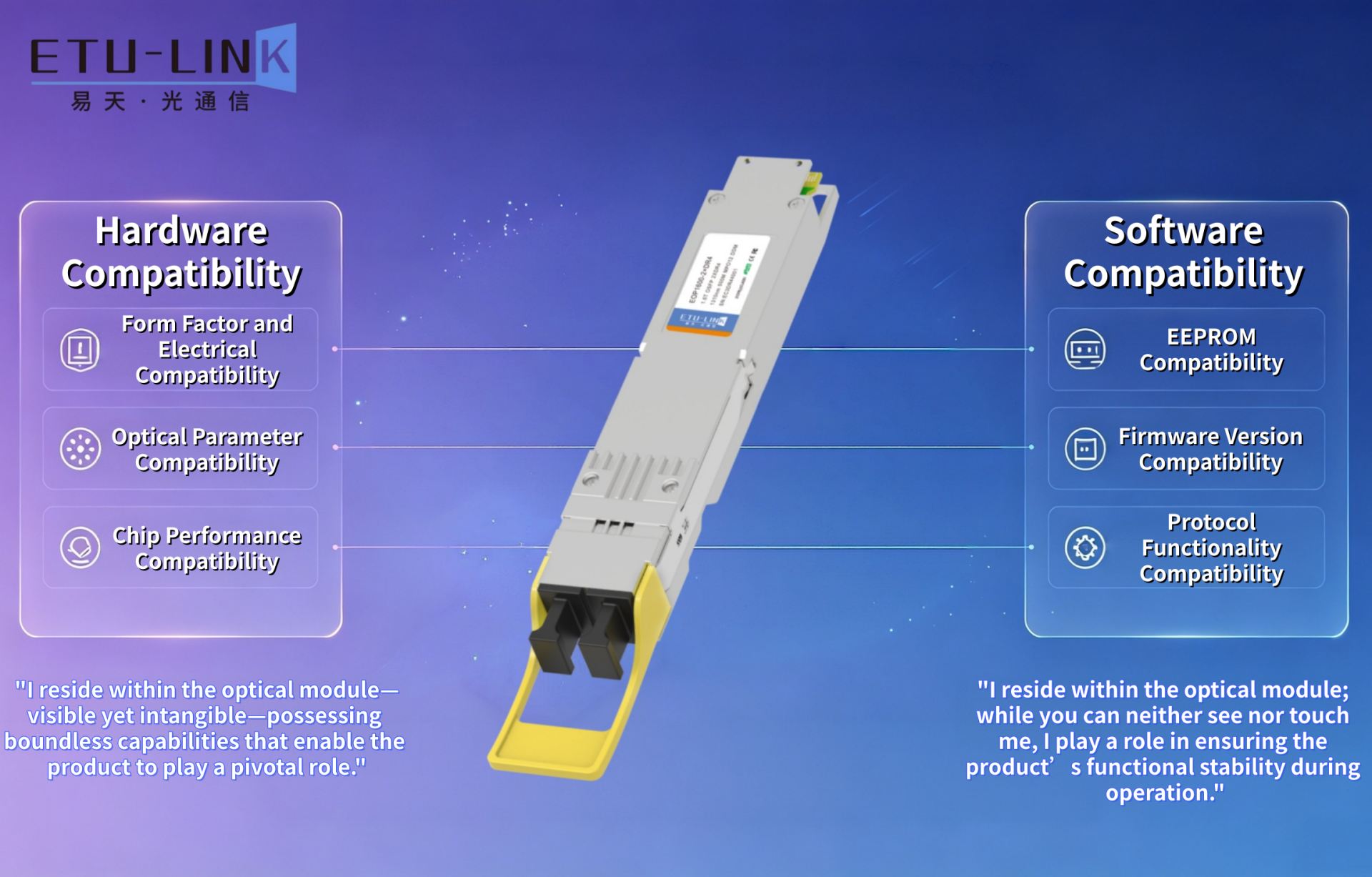
1. Packaging and Electrical Compatibility:
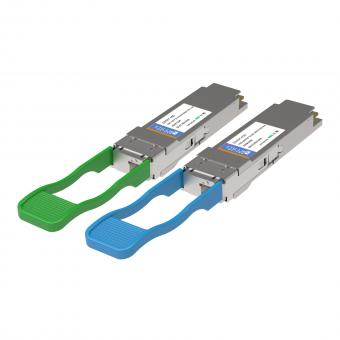
The packaging types of modules such as SFP, QSFP, Q SFP-DD, and OSFP must match the device ports. Different packages have different sizes, pins, and electrical speeds. Incompatibility will lead to inability to plug in or abnormal power-on. At the same time, the port impedance and electrical signal standards must match the module to avoid signal distortion and link jitter.
2. Optical Parameter Compatibility:
Transmission rate, operating wavelength, and transmission distance must be compatible with the device port and fiber type. Single-mode and multi-mode modules cannot be used interchangeably. Parameter mismatch will directly cause faults such as no light, high bit error rate, and link failure.
3. Chip Performance Compatibility:
The module laser, driver and decoding chips must meet the corresponding rate and transmission protocol requirements and cannot be adapted to high-speed and new transmission scenarios.
1.EEPROM Information Compatibility:
The module's EEPROM stores critical information such as manufacturer, model, and parameter thresholds, which is verified by the firmware of devices such as switches and routers. Uncertified third-party modules are often blocked by devices due to information mismatch, resulting in identification failures and port disablement issues.
2.Firmware Version Compatibility:
The device firmware must be compatible with the module specifications. Older firmware on the switch application equipment cannot recognize the new high-speed module. At the same time, abnormal or outdated firmware of the module itself will cause functions such as DDM diagnostics, rate negotiation, and FEC error correction to fail.
3.Protocol Functionality Compatibility:
The optical module must match the device's protocol standard, and the device's module verification, rate adaptation, FEC and other function configurations must correspond to the module's hardware capabilities. Mismatched configurations will lead to problems such as link oscillation, negotiation failure, and abnormal speed reduction.
The core of optical module compatibility can be summarized as hardware ensuring physical connectivity and software ensuring functional stability. Hardware incompatibility can cause physical layer communication interruptions, while software incompatibility can lead to identification failures, functional limitations, and link fluctuations. In actual deployment, both hardware and software compatibility must be considered, adhering to industry standards and manufacturer specifications to avoid compatibility issues.
Domestic manufacturer ETU-LINK Optical Module strictly adheres to IEEE and MSA industry standards, with standardized hardware packaging and optical parameters to meet the transmission needs of all scenarios. It also has pre-installed compatibility codes from mainstream equipment manufacturers, making it compatible with mainstream network equipment both domestically and internationally.
Choosing ETU-Link Technology Co., Ltd. can help you avoid common network problems such as firmware verification interception, protocol compatibility conflicts, and version incompatibility, ensuring stable link operation.
Categorías
nuevo blog
Etiquetas
nuevos productos
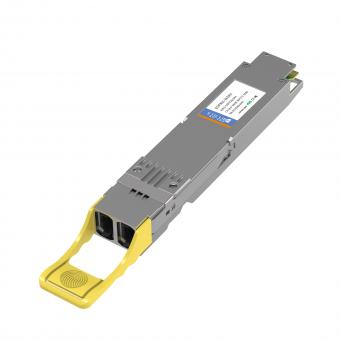
Transceptor óptico 800G OSFP 2×DR4 1310nm 500M MPO12 DDM Lee mas
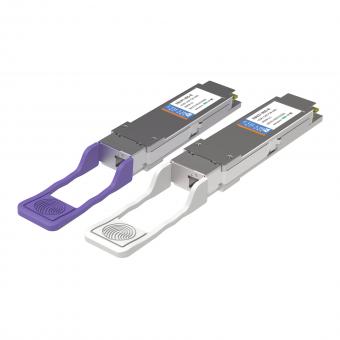
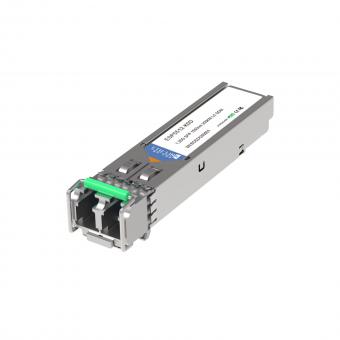
Transceptor óptico LC SFP de 1,25 G, 1550 nm y 200 km Lee mas
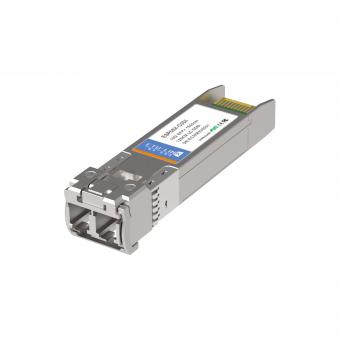

Transceptor óptico LC de 100G QSFP28 LR con sonda Lambda única de 10KM Lee mas
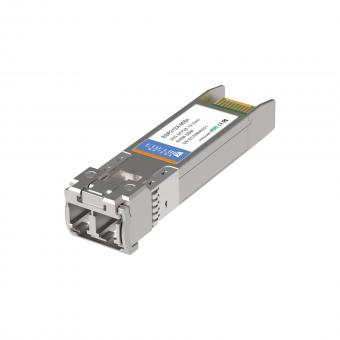
Transceptor óptico de 25G SFP28 ZR 1310nm los 80KM LC Lee mas
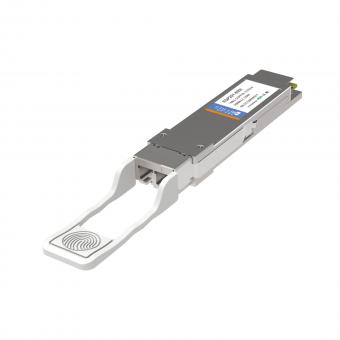
Transceptor óptico de generación II de 100G QSFP28 ZR4 80KM LC Lee mas
Para consultas sobre nuestros productos o lista de precios, déjenoslo y nos pondremos en contacto dentro de las 24 horas.


 13th Floor, Building 6, Honghualing Base, Nanshan Intelligent Manufacturing Base, Liuxian Avenue, Taoyuan Street, Xili, Nanshan District, Shenzhen, China
© Derechos de autor: 2026 ETU-Link Technology CO ., LTD Reservados todos los derechos.

Soporta red IPv6


