

 español




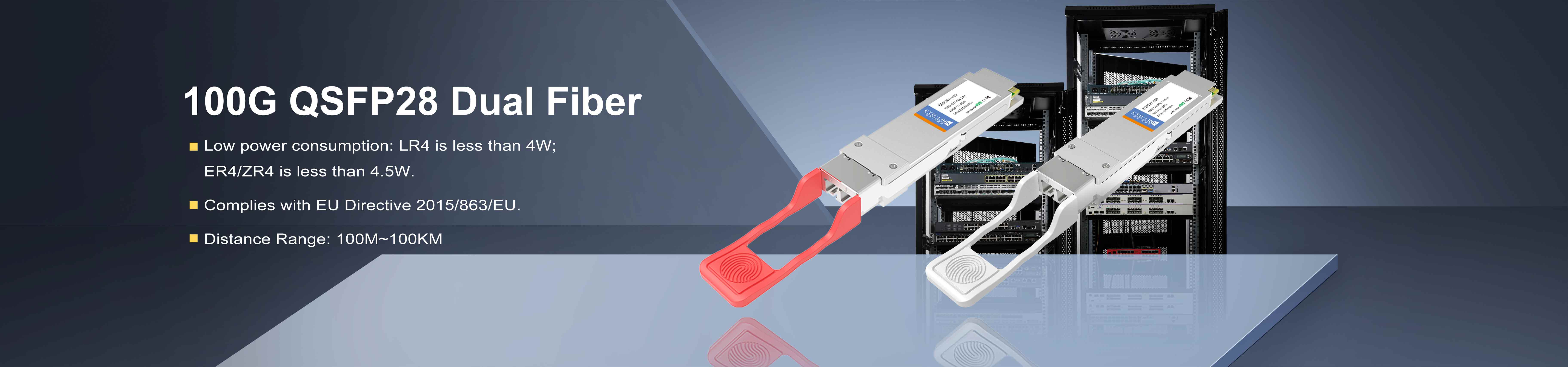
What Makes AI Tools Respond Instantly?
The AI computing power wave is sweeping across the world, and a large number of AI tools such as Doubao, DeepSeek, Kimi, Chatgpt, Gemini, Claude and Kling AI are rapidly entering our learning, work, and life. Optimizing documents, generating images, simulating interviews, organizing long documents, creating short videos with one click... the ability of ordinary people to use AI is no longer science fiction.
However, while enjoying the efficiency and convenience of AI, many people rarely ask: How exactly do the text we input, the images we upload, and the commands we issue manage to receive AI responses instantly, transcending distance?
Hardware Link Breakdown: How Data Flows in the Computing Power Network
A simple click of a fingertip triggers a wealth of AI capabilities for an instant response. However, this "instant reply" experience relies on a massive cloud computing cluster, requiring data to travel through an entire transmission chain:
1.Server: AI task scheduling center
All AI services are deployed on a cloud server cluster. User-submitted tasks such as writing documents, creating PPTs, and generating videos are first received, managed, and distributed by the server, which is the starting point for the entire set of AI tasks.
2.Base Station: The wireless bridge connecting the cloud and users
The data packaged by the server needs to leave the server room and be delivered to the user terminal via the communication network. The base station is responsible for transmitting and receiving wireless signals, opening up the channel between the cloud network and mobile phones and computers, allowing data to be transmitted over long distances.
3.Switch: The traffic hub of computing networks
Inside the server room, switches are responsible for data routing, distribution, and forwarding. When massive AI tasks flow through the cluster, switches rationally allocate data flows to avoid network congestion and ensure that data is delivered to the computing units in an orderly manner.
4.GPU: The computing core for AI content generation
Once the data arrives at the GPU, the core computing begins. Complex matrix operations on large models, text reasoning, image rendering, and video generation are all completed using the GPU's powerful parallel computing capabilities. The articles, PowerPoint presentations, and short videos we ultimately see are essentially the results of GPU computations. Simply put: the GPU is responsible for "calculating the content."
5.Optical module: The core medium for high-speed transmission
After the GPU completes the computation, the massive amount of result data ultimately relies on the optical module to complete high-speed signal conversion and transmission, which is the key to the entire link.
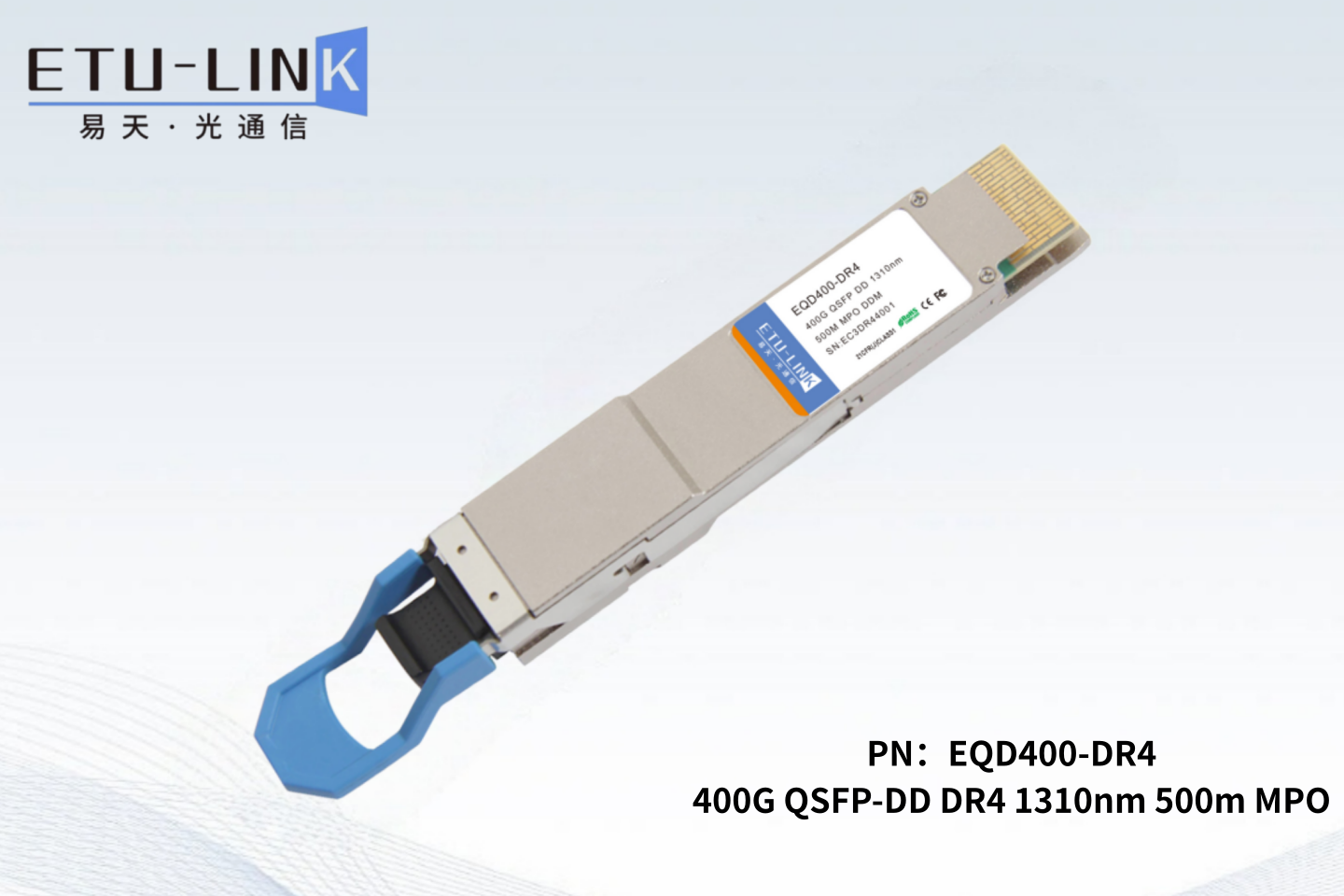
This can be understood as follows: GPUs are the "computing power engine" of AI, optical fibers are the "highway" of computing power, and optical modules are the essential high-speed "converters" on the highway . Without high-performance optical modules, computing clusters will be "stuck on the road," and when we use AI, the waiting time will be multiplied. High-bandwidth AI applications such as text-to-speech and long document parsing will even find it difficult to run stably.
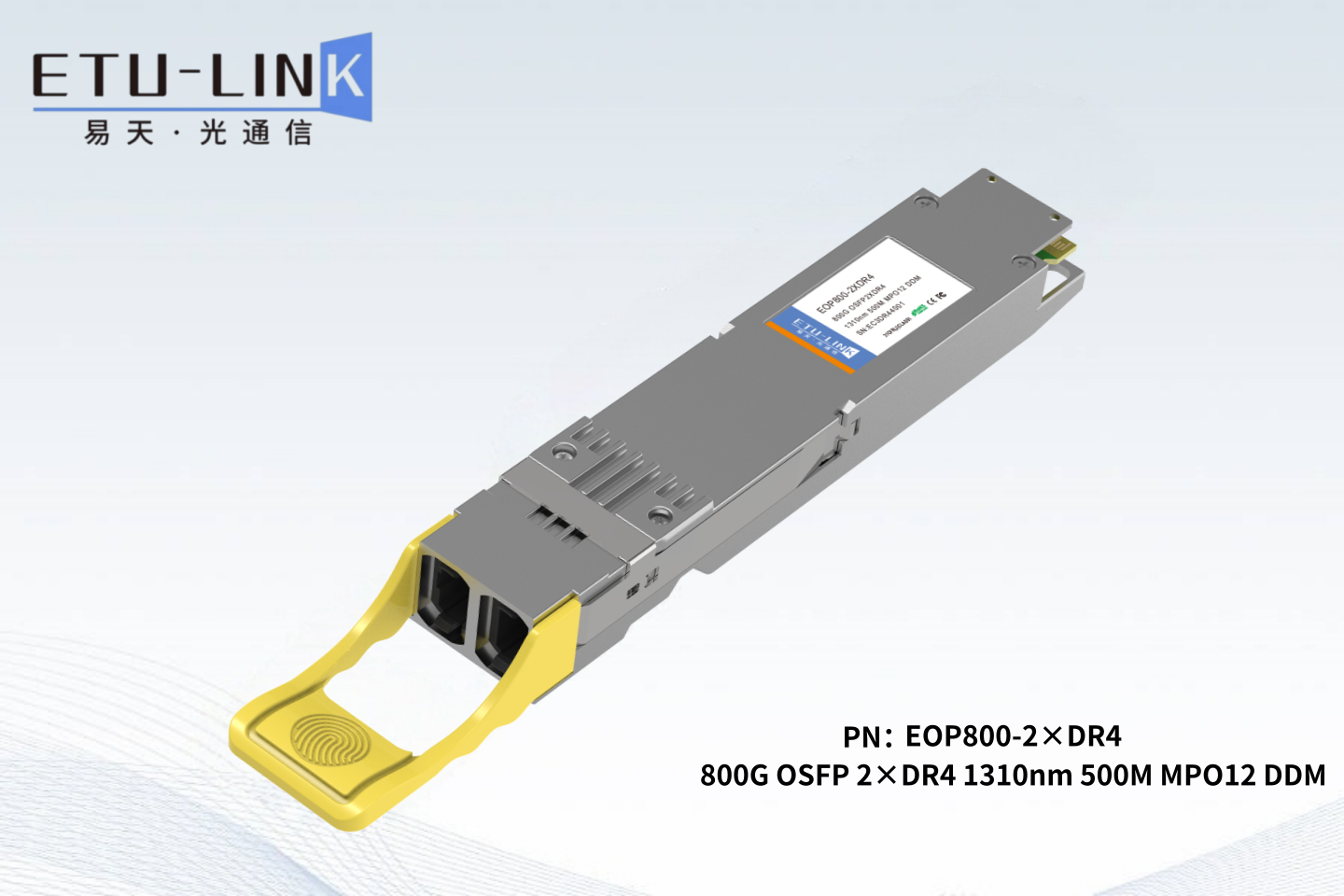
With the increasing prevalence of AI applications and the continuous growth of large model parameters, the bandwidth demand for AI-generated videos and 3D content is skyrocketing. The industry is also continuously iterating on higher-speed optical modules, upgrading towards 800G, 1.6T, and even higher speeds. This iterative upgrade of optical modules quietly supports the implementation of various AI tools, allowing everyone to stably and with low latency enjoy the efficiency benefits brought by AI.
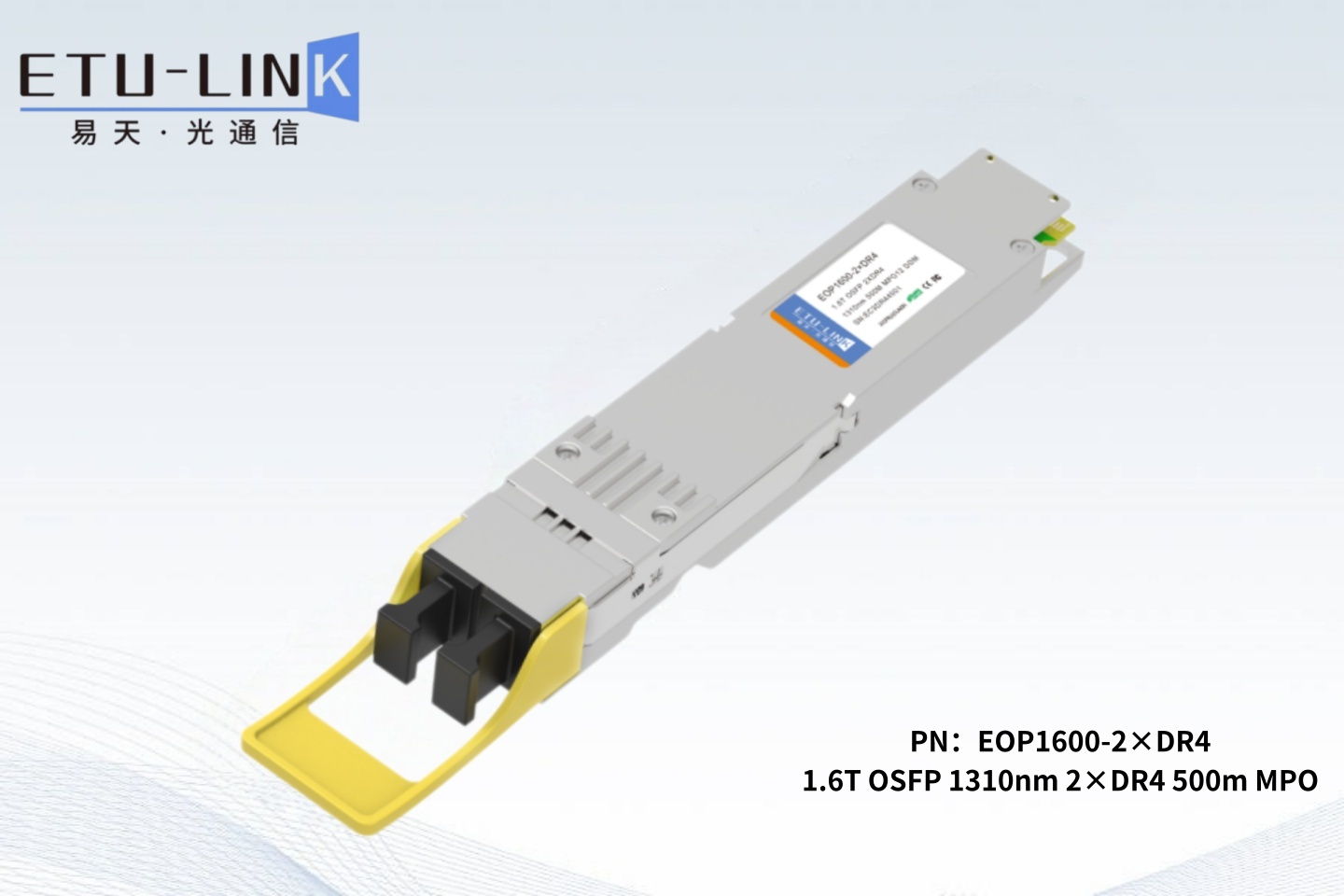
On the front end, we easily experience a variety of interesting and practical AI tools, enjoying the convenience of AI-enabled learning, job hunting, creation, and office work. In the unseen cloud computing network, base stations, switches, GPUs, optical fibers, and optical modules form a complete system, continuously delivering computing power. What we can see are the diverse application scenarios of AI, while the unseen optical modules are the indispensable underlying foundation supporting this AI wave.
For computing infrastructure, choose ETU-LINK!
With years of experience in optical communications, we specialize in high-speed interconnects for AI computing centers. We offer a full range of 400G/800G/1.6T high-speed optical modules in stock, compatible with mainstream brand switches and servers. These modules feature low power consumption, high stability, and support three-temperature testing and a three-year warranty. We can provide comprehensive computing network solutions to ensure high-speed transmission for your AI data center. For selection, sample, or bulk purchasing needs, please feel free to contact us!
Interactive Tail The next time you use AI to generate content, consider that your request is being processed through this entire chain of computation, carried by beams of light signals. What AI tools do you use most often? Feel free to share in the comments!
Categorías
nuevo blog
Etiquetas
nuevos productos
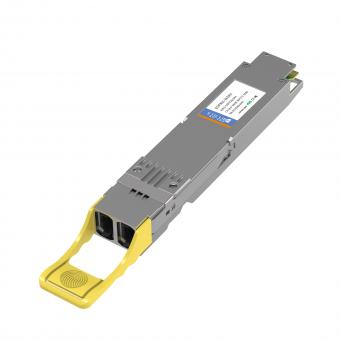
Transceptor óptico 800G OSFP 2×DR4 1310nm 500M MPO12 DDM Lee mas
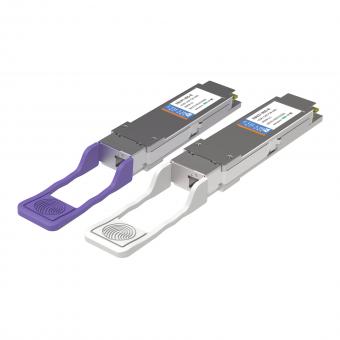
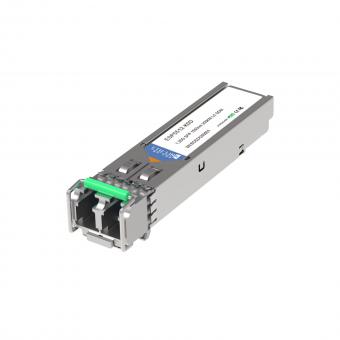
Transceptor óptico LC SFP de 1,25 G, 1550 nm y 200 km Lee mas
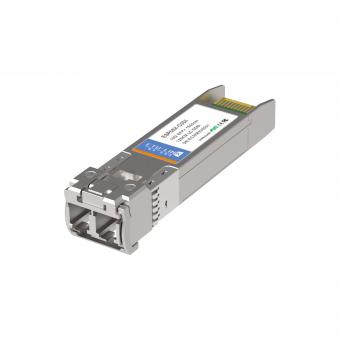

Transceptor óptico LC de 100G QSFP28 LR con sonda Lambda única de 10KM Lee mas
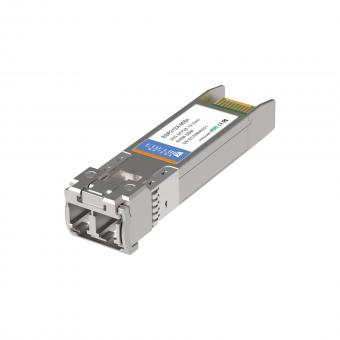
Transceptor óptico de 25G SFP28 ZR 1310nm los 80KM LC Lee mas
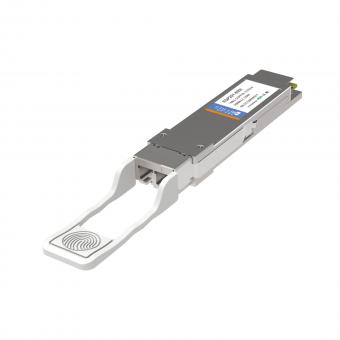
Transceptor óptico de generación II de 100G QSFP28 ZR4 80KM LC Lee mas
Para consultas sobre nuestros productos o lista de precios, déjenoslo y nos pondremos en contacto dentro de las 24 horas.


 13th Floor, Building 6, Honghualing Base, Nanshan Intelligent Manufacturing Base, Liuxian Avenue, Taoyuan Street, Xili, Nanshan District, Shenzhen, China
© Derechos de autor: 2026 ETU-Link Technology CO ., LTD Reservados todos los derechos.

Soporta red IPv6


