

 español



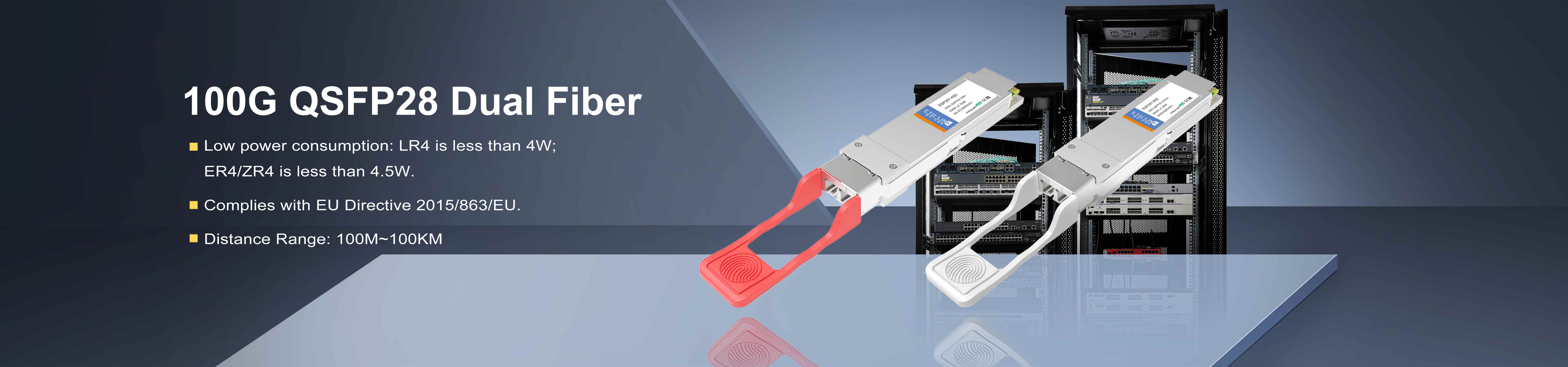
Módulos y conmutadores ópticos: los socios de oro en las redes
En la era de la economía digital, la eficiencia y la estabilidad de la transmisión de datos determinan la competitividad central de una red.
Módulos ópticos
y los conmutadores, como hardware de red central, forman una relación estrechamente interdependiente y simbiótica: los módulos ópticos son los "brazos de extensión" de los conmutadores que superan las limitaciones de transmisión, mientras que los conmutadores son el "centro de mando" para que los módulos ópticos funcionen. Su cooperación es la base para construir redes de datos de alta velocidad, estables y de larga distancia. Una comprensión profunda de su relación es crucial para la planificación, selección, implementación y optimización de la operación y el mantenimiento de la red
I. Dependencia funcional: el núcleo de la simbiosis complementaria
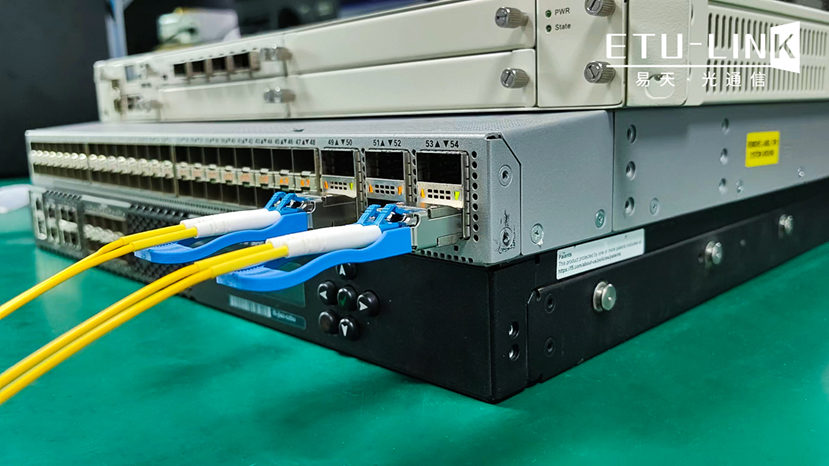
La interdependencia funcional es la base de la relación entre los módulos ópticos y los conmutadores. La misión principal de un conmutador es reenviar e intercambiar tramas de datos, actuando como un "centro de tráfico" en la red, responsable de recibir datos de diferentes terminales o nodos y reenviarlos con precisión. Sin embargo, carece de capacidades de conversión de señales fotoeléctricas. Su transmisión de señales eléctricas nativas presenta limitaciones inherentes: corta distancia de transmisión y baja capacidad antiinterferente. Solo puede lograr conexiones de cable de cobre de corta distancia a través de puertos eléctricos RJ45, lo que no satisface las necesidades de cobertura de red a gran escala y de larga distancia.
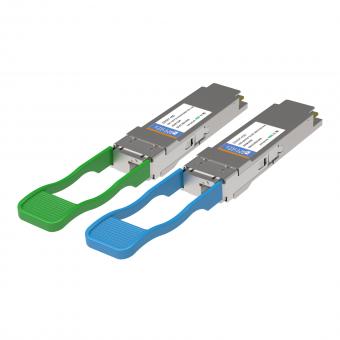
La función principal de los módulos ópticos cubre precisamente esta necesidad, actuando como un "puente" que conecta conmutadores y redes de fibra óptica, específicamente asumiendo la tarea de conversión de señales fotoeléctricas: el extremo transmisor convierte las señales eléctricas emitidas por el conmutador en señales ópticas, aprovechando las características de baja pérdida y alto ancho de banda de la fibra óptica para lograr una transmisión a larga distancia; el extremo receptor convierte las señales ópticas transmitidas desde el cable de fibra óptica en señales eléctricas y las envía de vuelta al conmutador para su procesamiento. Cabe decir que, sin el soporte de los módulos ópticos, los conmutadores difícilmente pueden conectarse a redes de fibra óptica de larga distancia; sin conmutadores, la función de conversión de los módulos ópticos es insignificante y no se puede establecer un enlace completo de transmisión de datos.
II. Adaptación del rendimiento: la clave para la eficiencia de la transmisión
Los parámetros de rendimiento de los módulos y conmutadores ópticos deben coincidir estrictamente; de lo contrario, se producirá el efecto de "eslabón más débil", que limitará la velocidad de transmisión o provocará un desperdicio de recursos. Las dimensiones fundamentales de la coincidencia se reflejan en tres aspectos:
En primer lugar, la adaptación de velocidad es fundamental. La velocidad del puerto del switch (p. ej., 10G, 25G, 100G, 400G) debe coincidir con la velocidad del módulo óptico. Si un puerto de 100G se empareja con un módulo óptico de 10G, la velocidad de transmisión se limitará a 10G; si se empareja con un módulo óptico de 400G, los recursos estarán inactivos. Actualmente, los centros de datos y las redes troncales tienen requisitos de velocidad cada vez más altos, y la adaptación de velocidad de 100G o superior se ha generalizado, determinando directamente la capacidad de transmisión principal de la red.
ETU-LINK
, siguiendo el ritmo de las necesidades de la industria, ha lanzado una línea de productos de módulos ópticos de velocidad completa que abarca 100G, 200G, 400G, 800G e incluso 1.6T, que pueden adaptarse con precisión a conmutadores de diferentes niveles de velocidad, liberando completamente el potencial de transmisión de la red
En segundo lugar, la compatibilidad del protocolo de interfaz es un requisito previo. El tipo de encapsulado del módulo óptico (como QSFP, OSFP, QSFP-DD, etc.) debe ser compatible con la ranura del puerto del switch. Los diferentes encapsulados no son intercambiables debido a diferencias de tamaño, protocolos de transmisión, etc. Es fundamental una selección precisa durante la implementación; de lo contrario, se producirán problemas de acceso físico que provocarán un fallo en la implementación.
En tercer lugar, la distancia de transmisión y la longitud de onda deben adaptarse al escenario de aplicación específico. Los escenarios de corta distancia (como la interconexión de centros de datos) son adecuados para módulos ópticos multimodo con una longitud de onda de 850 nm; los escenarios de media y larga distancia (como redes de área metropolitana y redes troncales) requieren módulos ópticos monomodo con una longitud de onda de 1310 nm/1550 nm. Si el escenario y el módulo óptico no son compatibles, la señal se atenuará considerablemente o el coste de implementación aumentará.
III. Colaboración en la aplicación: la manifestación del valor relacionado
Los diferentes escenarios de aplicación de red tienen diferentes requisitos de transmisión. La selección y la compatibilidad de módulos y conmutadores ópticos deben optimizarse según el escenario para maximizar el valor de la red: los escenarios de centros de datos tienen requisitos extremadamente altos de ancho de banda y velocidad, y suelen utilizar conmutadores de alta densidad de 400G/800G, combinados con módulos ópticos de alta velocidad encapsulados QSFP-DD y OSFP para garantizar la transmisión rápida de grandes cantidades de datos; los escenarios de redes de área metropolitana necesitan equilibrar la distancia y el ancho de banda, y suelen utilizar conmutadores de 100G/200G combinados con módulos ópticos monomodo de media a larga distancia; los escenarios de redes de acceso tienen distancias de transmisión cortas y requisitos de ancho de banda moderados, y suelen utilizar conmutadores de 25G/100G combinados con módulos ópticos de corta distancia de bajo coste. ETU-LINK Ha creado soluciones de módulos ópticos personalizados para diferentes escenarios. Sus módulos ópticos encapsulados OSFP de 800G son adecuados para los requisitos de alta velocidad de los centros de datos, mientras que sus series EPON y GPON facilitan la construcción de redes de acceso. Estas soluciones han sido ampliamente utilizadas por fabricantes de equipos de telecomunicaciones y otros clientes.
IV. Colaboración en Operación y Mantenimiento: Apoyo a la Estabilidad de la Red
En las operaciones y el mantenimiento de redes, la correlación entre ambos es igualmente importante. Los conmutadores pueden monitorear parámetros como el voltaje, la temperatura y la potencia óptica de los módulos ópticos en tiempo real a través de sus puertos y emitir alarmas rápidamente cuando fallan, lo que ayuda al personal de mantenimiento a localizar problemas rápidamente. Por el contrario, la interferencia de la señal y los problemas de atenuación de la transmisión en los módulos ópticos pueden provocar la pérdida de paquetes y una mayor latencia en los conmutadores, lo que afecta el funcionamiento normal de toda la red. ETU-LINK Los módulos ópticos generalmente integran funciones de diagnóstico digital DDM, lo que permite la vinculación de datos con los conmutadores principales y mejora significativamente las operaciones de la red y la eficiencia del mantenimiento
V. Conclusión: El "Socio de Oro" de las Redes de Datos
En resumen, los módulos y conmutadores ópticos son socios esenciales en las redes de transmisión de datos, ya que comparten interdependencia funcional, compatibilidad de rendimiento y sinergia entre aplicaciones. La planificación, selección, implementación y optimización de la operación y el mantenimiento de la red deben considerar plenamente su interrelación para garantizar una colaboración eficiente.
ETU-Link Technology Co., Ltd.
Basándose en esta relación fundamental, ofrece soluciones colaborativas fiables para la construcción de redes en diversos escenarios, respaldadas por una gama completa de módulos ópticos altamente adaptables. Con el desarrollo de tecnologías como el 5G y las redes informáticas, su colaboración se estrechará aún más.
ETU-LINK
Continuará profundizando la innovación tecnológica, contribuyendo a la actualización de la tecnología de red y apoyando el desarrollo de la economía digital.
Categorías
nuevo blog
Etiquetas
nuevos productos
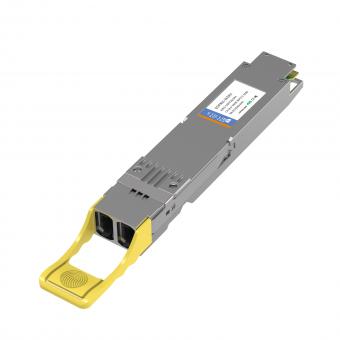
Transceptor óptico 800G OSFP 2×DR4 1310nm 500M MPO12 DDM Lee mas
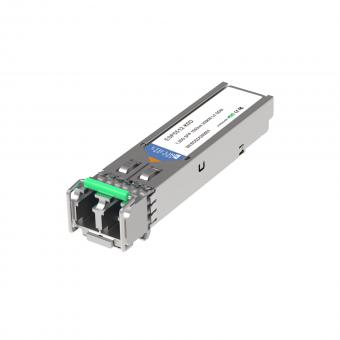
Transceptor óptico LC SFP de 1,25 G, 1550 nm y 200 km Lee mas
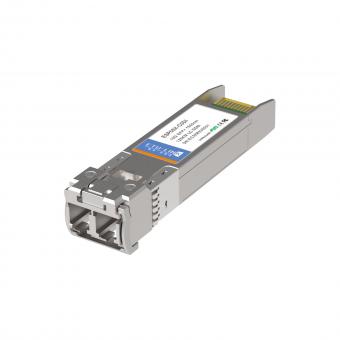

Transceptor óptico LC de 100G QSFP28 LR con sonda Lambda única de 10KM Lee mas
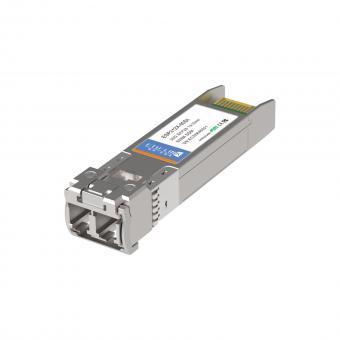
Transceptor óptico de 25G SFP28 ZR 1310nm los 80KM LC Lee mas
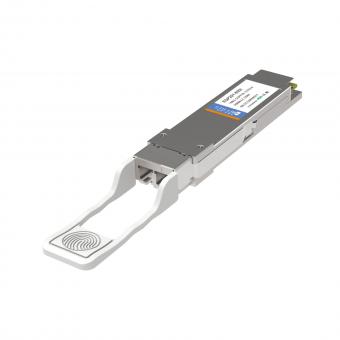
Transceptor óptico de generación II de 100G QSFP28 ZR4 80KM LC Lee mas
Para consultas sobre nuestros productos o lista de precios, déjenoslo y nos pondremos en contacto dentro de las 24 horas.


 13th Floor, Building 6, Honghualing Base, Nanshan Intelligent Manufacturing Base, Liuxian Avenue, Taoyuan Street, Xili, Nanshan District, Shenzhen, China
© Derechos de autor: 2026 ETU-Link Technology CO ., LTD Reservados todos los derechos.

Soporta red IPv6


