

 español



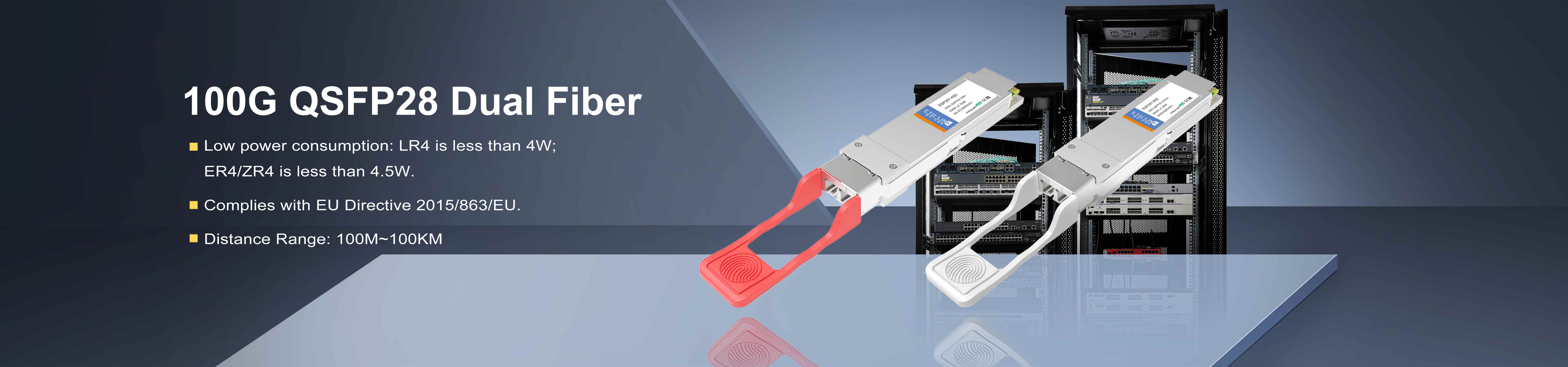
Impacto del Al en el mercado de módulos ópticos
I. Aumento de la demanda: la competencia por la potencia computacional de la IA impulsa un crecimiento explosivo del tamaño del mercado de módulos ópticos
(1). Fuerza impulsora principal: La densidad de demanda de inferencia supera la fase de entrenamiento
La industria de la IA ha formado un ciclo positivo de "reducción de los costos de iteración tecnológica → promoción de aplicaciones → crecimiento explosivo de la demanda de inferencia → aumento de la cantidad de tokens → iteración acelerada de modelos". Según un informe de Huaxi Securities, la demanda internacional de IA (especialmente de nuevas empresas) está creciendo rápidamente, y este crecimiento acelerado de la cantidad de tokens impulsa directamente una alta inversión en capital de IA (Capex). La densidad de demanda de módulos ópticos en la etapa de inferencia puede ser de 3 a 5 veces mayor que en la etapa de entrenamiento, convirtiéndose en el motor principal del crecimiento de la industria.
(2). Pronóstico del tamaño del mercado: La demanda mundial superará con creces las expectativas para 2026
√ 800 gramos Oh óptico METRO módulos: Se espera que la demanda supere los 40 millones de unidades, una revisión significativa al alza respecto a las previsiones anteriores. Entre ellas:
Meta La demanda se ha revisado al alza desde 6 millones de unidades a más de 10 millones de unidades;
Google La demanda es de aproximadamente 5 millones (el volumen de procesamiento de AI Token se duplicó mes a mes).
Amazonas La demanda alcanzó los 5,5 millones de unidades (los ASIC desarrollados internamente llevaron la relación a 1:8).
√ 1.6T Oh óptico METRO módulos: Se espera que la demanda alcance los 8,6 millones de unidades en 2026. NVIDIA está teniendo un desempeño excepcionalmente bueno, con una demanda que alcanzará entre 2,5 y 3,5 millones de unidades en 2025 (lo que representa el 80 % de la participación de mercado global) y aumentará a más de 5 millones de unidades en 2026.
Acelerado T tecnológico I teración: El mercado de módulos ópticos está experimentando una rápida iteración desde "400G → 800G → 1,6T", con un ciclo que se acorta continuamente.
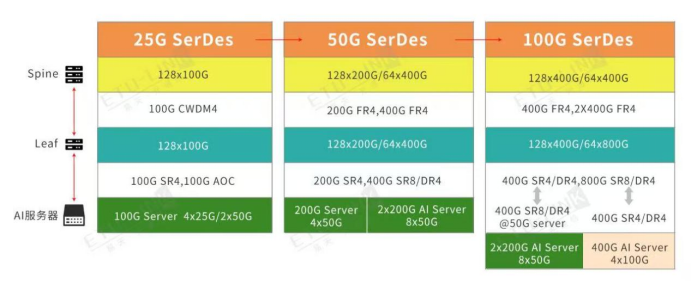
(3). Diferenciación del mercado regional: China y Estados Unidos lideran, Oriente Medio emerge como nuevo motor de crecimiento
1). América del norte: Los envíos de módulos ópticos de 400G/800G superaron los 20 millones de unidades en 2024 (cuatro veces más que en el mismo periodo del año anterior). Se prevé que la inversión conjunta de los cuatro principales proveedores de servicios en la nube (Google, Microsoft, Meta y Amazon) aumente un 50 % interanual en 2025, alcanzando los 333 800 millones de dólares.
2). Porcelana : El tamaño del mercado fue de US$2.650 millones en 2024 y puede llegar a US$6.500 millones en 2029 (CAGR 20%), beneficiándose de la política "East Data West Computing".
3). Oriente Medio: El proyecto Humain de Arabia Saudita compró 18.000 chips NVIDIA GB300 (que representan el 12 % de los envíos globales del primer trimestre), lo que cataliza la demanda de chips de 1,6 T en 2026.
II. Innovación tecnológica: la fotónica de silicio, LPO y CPO impulsan la dirección de la industria
(1). Tecnología fotónica de silicio: la opción preferida para módulos ópticos de alta velocidad
A. Ventajas :El bajo consumo de energía, el bajo costo y la alta integración lo convierten en una dirección fundamental para los módulos ópticos de alta velocidad.
B. Penetración del mercado :La tasa de penetración de los módulos fotónicos de silicio de 800G y 1,6T sigue aumentando y dominará el mercado de alta velocidad después de 2026. Huawei lanzó el primer módulo fotónico de silicio de 1,6 Tbps de longitud de onda única del mundo, que reduce el volumen en un 70% y el consumo de energía en un 40%; la cuota de mercado del módulo fotónico de silicio de 800G de InnoLight Technology ha alcanzado el número uno del mundo (aproximadamente el 50%).
(2). Tecnología LPO: reduce el consumo de energía, mejora el rendimiento y asegura pedidos líderes
A. Avance tecnológico Al eliminar el chip DSP, se optimizan tanto el consumo de energía como el rendimiento. El nuevo módulo LPO Eoptolink 800G reduce el consumo de energía en un 50 % y ya ha conseguido pedidos de clientes líderes como Meta y Amazon.
B. Perspectivas del mercado Se espera que los ingresos del módulo LPO representen el 15%, convirtiéndose en un importante motor de crecimiento.
(3). Tecnología CPO: La exploración de fronteras y la aplicación escalable aún requieren tiempo
A. Ventajas tecnológicas Resuelve el cuello de botella de la implementación de alta densidad en la era 3.2T y se espera que esté disponible comercialmente a gran escala en 2026.
B. Desafíos y oportunidades Ante desafíos como la precisión de alineación de circuitos integrados de fibra a fotónico y la gestión térmica, actualmente solo Broadcom puede suministrar conmutadores CPO. Huawei HiSilicon, en colaboración con FlightControl Technology, lanzó la primera línea de producción de CPO empaquetado 2.5D del mundo, con producción en masa prevista para el cuarto trimestre de 2025, rompiendo así el monopolio tecnológico de TSMC.
III. Panorama competitivo: Los proveedores chinos lideran a nivel mundial, los actores fuertes mantienen su dominio
(1). Consolidación de la cuota de mercado
Panorama global: Los fabricantes chinos representan más del 60% de la cuota de mercado mundial de módulos ópticos y, en 2023, los ingresos de los fabricantes chinos superaron a los de los fabricantes occidentales por primera vez entre los diez principales fabricantes del mundo.
Efecto principal significativo: InnoLight Technology (14,2 % de participación en el mercado mundial), Accelink Technologies (5,8 %) y Eoptolink Technology (3,8 %) lideran el grupo.
(2). Sustitución interna acelerada
Apoyo a políticas: La política de "Datos orientales, computación occidental" ha promovido la construcción de una cadena de suministro segura, y China ha formado una capacidad de cadena completa desde los materiales hasta los chips y el embalaje.
Avances tecnológicos: Accelink Technologies ha logrado la producción en masa de chips láser EML/DFB, y los chips fotónicos de silicio de Yuanjie Technology se introducirán en la producción en masa en 2025.
(3). Oportunidades para proveedores de segundo nivel
Efecto derrame de capacidad: El aumento de la demanda de 800G ha provocado escasez de capacidad para los fabricantes de primer nivel, y algunos pedidos podrían repercutir en fabricantes de segundo nivel. HGTECH es un posible beneficiario clave, con su base en Tailandia y una capacidad mensual de más de 100.000 unidades. Las pruebas de sus productos 800G con un cliente estadounidense avanzan sin contratiempos, y se espera que la producción en masa comience en el segundo semestre de 2025.
ETU-Link Technology Co., Ltd., como actor clave en el campo de módulos ópticos nacionales, continúa profundizando en la tecnología de comunicación óptica de alta velocidad, desplegándose activamente en la investigación y el desarrollo de 800G y futuros productos de mayor velocidad, y aprovechando las ventajas de la cadena de suministro nacional, se espera que aumente aún más su participación de mercado en la demanda del mercado impulsada por IA.

IV. Perspectivas futuras: Triple curva de crecimiento, la IA de borde abre un mercado de cien mil millones de dólares
Corto plazo (2024-2025): aumento de volumen de 800G + aumento de volumen de 1,6T, aumento de la tasa de penetración de la solución fotónica de silicio/LPO.
Examen de mitad del trimestre (2026-2028): Comercialización de CPO + 3,2T de pre-investigación, con un salto en el valor de un solo módulo.
A largo plazo (2030+): El auge de la IA de borde (teléfonos móviles, automóviles y robots con IA) abre un mercado que vale cientos de miles de millones de yuanes, y la escala de la IA de borde puede alcanzar los 1,2 billones de yuanes en 2029.
ETU-Link Technology Co., Ltd., como actor clave en el campo de los módulos ópticos nacionales, sigue de cerca las tendencias de la industria e implementa una estrategia de ciclo completo:
A corto plazo, la empresa se centra en la I+D de productos de 800G y el desarrollo de capacidades para satisfacer las necesidades de modernización de los centros de datos. A medio plazo, invierte en tecnologías avanzadas como la fotónica de silicio y la LPO para mejorar la competitividad de los productos y el rendimiento del consumo energético. A largo plazo, se posiciona estratégicamente en escenarios emergentes de IA de vanguardia, como la interconexión óptica automotriz y la electrónica de consumo, para ampliar su alcance de mercado. Aprovechando las ventajas de la cadena de suministro nacional, la empresa controla los costes y garantiza la entrega, y se espera que siga aumentando su cuota de mercado e influencia en el mercado de módulos ópticos impulsados por IA.
Categorías
nuevo blog
Etiquetas
nuevos productos
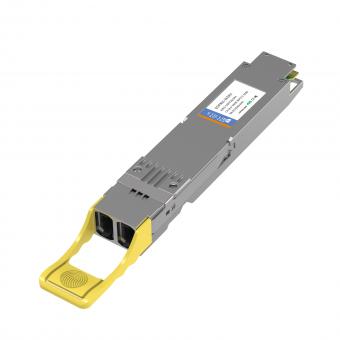
Transceptor óptico 800G OSFP 2×DR4 1310nm 500M MPO12 DDM Lee mas
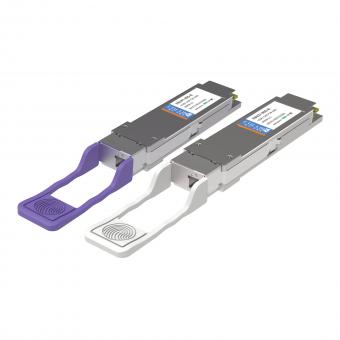
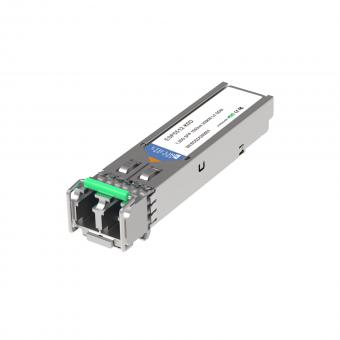
Transceptor óptico LC SFP de 1,25 G, 1550 nm y 200 km Lee mas
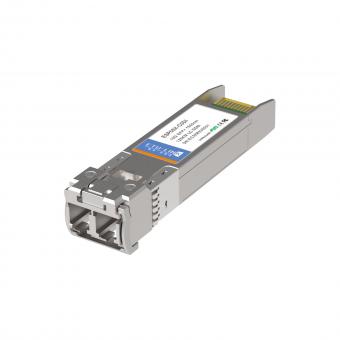

Transceptor óptico LC de 100G QSFP28 LR con sonda Lambda única de 10KM Lee mas
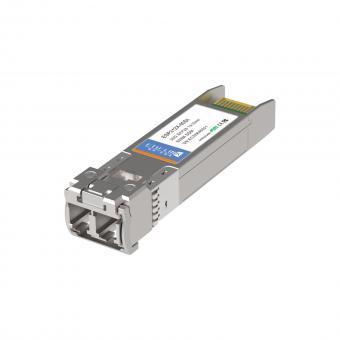
Transceptor óptico de 25G SFP28 ZR 1310nm los 80KM LC Lee mas
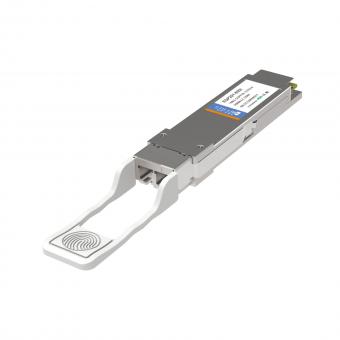
Transceptor óptico de generación II de 100G QSFP28 ZR4 80KM LC Lee mas
Para consultas sobre nuestros productos o lista de precios, déjenoslo y nos pondremos en contacto dentro de las 24 horas.


 13th Floor, Building 6, Honghualing Base, Nanshan Intelligent Manufacturing Base, Liuxian Avenue, Taoyuan Street, Xili, Nanshan District, Shenzhen, China
© Derechos de autor: 2026 ETU-Link Technology CO ., LTD Reservados todos los derechos.

Soporta red IPv6


