

 español



Análisis y pronóstico del mercado de módulos ópticos para 2026
La potencia computacional de la IA ha impulsado un crecimiento explosivo en el mercado de módulos ópticos, con las tecnologías de 800G y 1.6T liderando la transformación del sector. Las empresas chinas ocupan una posición dominante en la competencia global. Junto con el crecimiento explosivo de la demanda de inferencia de IA y la expansión de nuevos escenarios de aplicación, la alta prosperidad de la industria de módulos ópticos continuará en 2026.
I. Demanda del mercado: Aumento del volumen de 800G, despliegue de 1,6T, pronóstico de demanda revisado al alza, superando las expectativas.
A.
Módulos ópticos de 800G:
Demanda creciente y avances en enfoques tecnológicos
Se proyecta que los envíos de módulos ópticos de 800G superen los 40 millones de unidades en 2026, con una demanda dominada por Norteamérica, seguida de China. Meta, Google, Microsoft y Amazon son los principales compradores: la demanda de Meta alcanza entre 10 y 12 millones de unidades, la de Google y Microsoft en conjunto, aproximadamente 12 millones de unidades, y la de Amazon, alrededor de 5,5 millones. A nivel nacional, ByteDance, Alibaba y Tencent están aumentando gradualmente su demanda, y las tres compañías juntas alcanzan varios millones de unidades. La confianza del mercado en 800G es sólida, y Goldman Sachs elevó su pronóstico de ventas para 2026 de 25 millones de unidades a 33,5 millones, un aumento del 58 %. Técnicamente, ByteDance está ignorando las soluciones tradicionales y apostando directamente por la tecnología LPO; de tener éxito, podría convertirse en un competidor sorpresa en el campo de 800G.
B.
Módulos ópticos de 1.6T:
Marcando el comienzo del año de la comercialización, la demanda se duplica
Se proyecta que 2026 sea el primer año de comercialización de módulos ópticos de 1,6 T, con una demanda global que alcanzará de 8,6 millones a 20 millones de unidades. Nvidia es el impulsor clave, con una demanda que superará los 5 millones de unidades en 2026. Se espera que Google y Meta requieran aproximadamente 4 millones y 1 millón de unidades respectivamente. Impulsados por la carrera por la potencia informática de la IA, los gigantes tecnológicos extranjeros han aumentado sus planes de adquisición para 2026 de 10 millones a 20 millones de unidades. Un solo servidor GB200 requiere 162 módulos ópticos de 1,6 T, lo que amplifica aún más la demanda. Tecnológicamente, la fotónica de silicio se ha generalizado y posee una cuota de mercado del 72 %. El chip de fotónica de silicio de desarrollo propio de InnoLight Technology cuenta con una tasa de rendimiento del 95 % y reduce los costes en un 30 % en comparación con las soluciones tradicionales. El motor de fotónica de silicio de 1,6 T de Tianfu Communication tiene una tasa de rendimiento del 90 %, superando ampliamente el promedio de la industria del 75 %.
II. Tendencias tecnológicas: Tres tecnologías líderes impulsan la iteración acelerada
1)
Silicio
P
Hotonics
T
tecnología
: la tecnología principal para módulos ópticos de alta velocidad, con una tasa de penetración en constante aumento
La tecnología fotónica de silicio, con sus ventajas de bajo consumo y bajo coste, se ha convertido en una tendencia clave para los módulos ópticos de alta velocidad de 800G y 1,6T, y su tasa de penetración seguirá en aumento. Huawei lanzó el primer módulo fotónico de silicio de longitud de onda única de 1,6 Tbps del mundo, que adopta tecnología de integración fotónica de silicio de tercera generación, reduciendo el volumen en un 70 % y el consumo de energía en un 40 %. InnoLight Technology ostenta la mayor cuota de mercado mundial en módulos fotónicos de silicio de 800G, aproximadamente el 50 %, y sus módulos fotónicos de silicio de 1,6T ya han alcanzado la producción en masa.
2)
LPO
T
tecnología
: Optimización del rendimiento del consumo de energía, convirtiéndose en un importante punto de crecimiento en el mercado
La tecnología LPO optimiza el consumo energético y el rendimiento al eliminar el chip DSP, satisfaciendo así las necesidades de los centros de datos de IA. El nuevo módulo LPO 800G de Eoptolink reduce el consumo energético en un 50 % y ya cuenta con pedidos de clientes líderes como Meta y Amazon. Se prevé que los ingresos por módulos LPO representen el 15 % de los ingresos totales para 2026, convirtiéndose en un importante motor de crecimiento en el mercado de módulos ópticos.
3)
CPO
T
tecnología
: La exploración de vanguardia está en marcha, pero la aplicación a gran escala aún está lejos
La tecnología CPO integra el motor óptico y el chip de conmutación en un solo encapsulado, lo que reduce el consumo energético del centro de datos en más de un 40 %. La tecnología de modulador óptico de microanillo con proceso de 3 nm de TSMC logra una conversión eficiente entre señales ópticas y eléctricas, lo que reduce aún más el consumo energético en un 40 %. Sin embargo, la tecnología CPO actualmente enfrenta desafíos técnicos como la precisión de alineación y la gestión térmica, y solo Broadcom puede suministrar conmutadores CPO, lo que resulta en una capacidad de suministro limitada. Se espera que la aplicación a gran escala esté disponible después de 2027. Huawei HiSilicon, en colaboración con Flight Control Technology, lanzó la primera línea de producción de CPO con encapsulado 2.5D del mundo, con producción en masa prevista para el cuarto trimestre de 2025, rompiendo así el monopolio tecnológico de TSMC.
III. Panorama competitivo: las empresas chinas dominan el mercado global,
La posición de liderazgo continúa fortaleciéndose
Las empresas chinas se han convertido en una fuerza clave en el mercado global de módulos ópticos, con más del 70% de participación de mercado. Empresas como InnoLight Technology, Hygon, Eoptolink y Accelink Technologies se han unido a las filas de los líderes mundiales. En el ranking mundial de los 10 mejores módulos ópticos de 2023 de LightCounting, los fabricantes chinos ocuparon siete puestos, con InnoLight Technology encabezando la lista por primera vez. Las empresas líderes aseguran la demanda mediante contratos a largo plazo con clientes clave y continúan expandiendo su participación de mercado gracias a sus ventajas tecnológicas. Los recursos de la industria se están concentrando en empresas líderes con I+D tecnológico y capacidad de producción en masa a gran escala, lo que hace que el efecto Matthew sea cada vez más pronunciado.
IV.
Perspectivas futuras: Múltiples factores positivos respaldan el continuo y alto impulso de la industria
(1).
La demanda de inferencia de IA se convierte en el núcleo
y la mayor tasa de asignación fortalece la resiliencia del crecimiento
La demanda de inferencia de IA ha superado la demanda de entrenamiento, convirtiéndose en el principal motor de crecimiento de la industria. La industria ha formado un ciclo positivo de "reducción de los costes de iteración de la tecnología - promoción de aplicaciones - crecimiento explosivo de la demanda de inferencia - crecimiento de los datos que impulsa la iteración de modelos". Los datos de Huaxi Securities muestran que las empresas internacionales de IA están experimentando un rápido crecimiento de la demanda, y la emisión de tokens se está acelerando, lo que impulsa una alta inversión en capital en IA. Mientras tanto, la proporción de chips de IA a módulos ópticos sigue aumentando, con H100 alcanzando 1:3 y B300 1:4,5. Algunos clústeres de entrenamiento ASIC incluso alcanzan 1:8. Incluso si las ventas de chips de IA se ralentizan en el futuro, la demanda de módulos ópticos seguirá mostrando resiliencia.
(2).
Expansión a nuevos escenarios de aplicación
abre un nuevo potencial de crecimiento del mercado
La generación de video con IA y la potencia de procesamiento robótico se están convirtiendo en nuevos impulsores del crecimiento de la demanda de módulos ópticos. Plataformas de redes sociales como TikTok y YouTube están acelerando su integración con IA. En 2025, el contenido de IA representó menos del 2%, pero se espera que supere el 30% en 2026. Esta demanda exponencial de potencia de procesamiento impulsa directamente la adquisición de módulos ópticos. El robot humanoide Optimus de Tesla se producirá en masa en 2026 y necesita procesar datos de sensores multimodales en tiempo real. El plan de Musk para una "matriz de potencia de procesamiento" requiere la potencia de procesamiento de miles de millones de dispositivos, alcanzando una escala de 50 millones de potencia de procesamiento equivalente a H100, lo que amplifica aún más la demanda de módulos ópticos en el mercado.
(3).
Doble apoyo de las políticas y el capital
para ayudar a la industria a lograr un desarrollo de alta calidad
A nivel de políticas, el proyecto chino "East Data West Computing" promueve la integración de grandes centros de datos, generando beneficios para la industria de módulos ópticos e impulsando el crecimiento continuo de la demanda interna. A nivel de capital, el número de eventos de financiación en el sector de módulos ópticos se recuperó y la cantidad de financiación aumentó significativamente en 2024. Las estrategias de inversión de capital han evolucionado, pasando de una amplia red a centrarse en empresas líderes con tecnología avanzada y sólidas capacidades de comercialización. Los recursos se concentran en brindar apoyo financiero a la I+D y la expansión de la capacidad de las empresas, impulsando así el desarrollo de alta calidad de la industria.
En general, la industria de módulos ópticos en 2026 se encuentra en un período de doble beneficio: la iteración tecnológica y la demanda explosiva. 800G y 1.6T impulsan el crecimiento del mercado, las tecnologías clave siguen avanzando, las empresas chinas han adquirido una ventaja competitiva en el mercado global, y la continua demanda de inferencia de IA y los nuevos escenarios de aplicación garantizarán la prosperidad de la industria a largo plazo. Las empresas con tecnologías clave, recursos de primera línea para clientes y capacidad de producción en masa seguirán liderando el mercado.
Categorías
nuevo blog
Etiquetas
nuevos productos
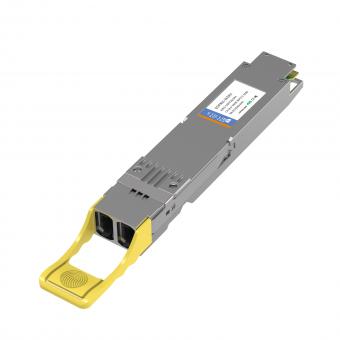
Transceptor óptico 800G OSFP 2×DR4 1310nm 500M MPO12 DDM Lee mas
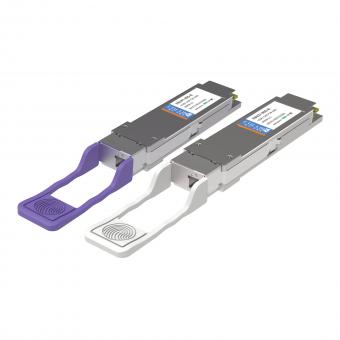
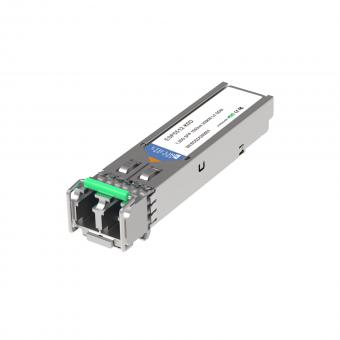
Transceptor óptico LC SFP de 1,25 G, 1550 nm y 200 km Lee mas
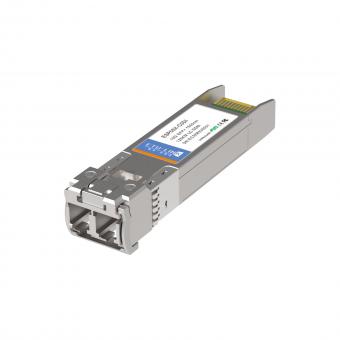

Transceptor óptico LC de 100G QSFP28 LR con sonda Lambda única de 10KM Lee mas
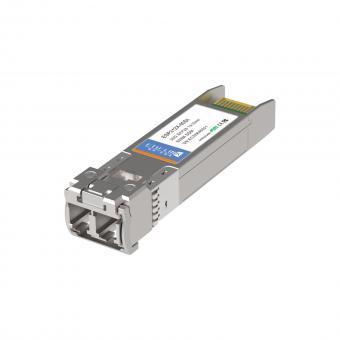
Transceptor óptico de 25G SFP28 ZR 1310nm los 80KM LC Lee mas
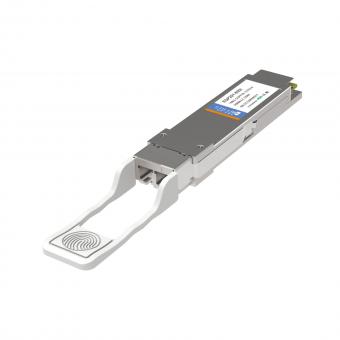
Transceptor óptico de generación II de 100G QSFP28 ZR4 80KM LC Lee mas
Para consultas sobre nuestros productos o lista de precios, déjenoslo y nos pondremos en contacto dentro de las 24 horas.


 13th Floor, Building 6, Honghualing Base, Nanshan Intelligent Manufacturing Base, Liuxian Avenue, Taoyuan Street, Xili, Nanshan District, Shenzhen, China
© Derechos de autor: 2026 ETU-Link Technology CO ., LTD Reservados todos los derechos.

Soporta red IPv6


