

 español



¿Cómo logran los módulos ópticos la transmisión bidireccional a través de una sola fibra?
I . Transmisor de "doble canal" misión y recepción, sin interferencias.
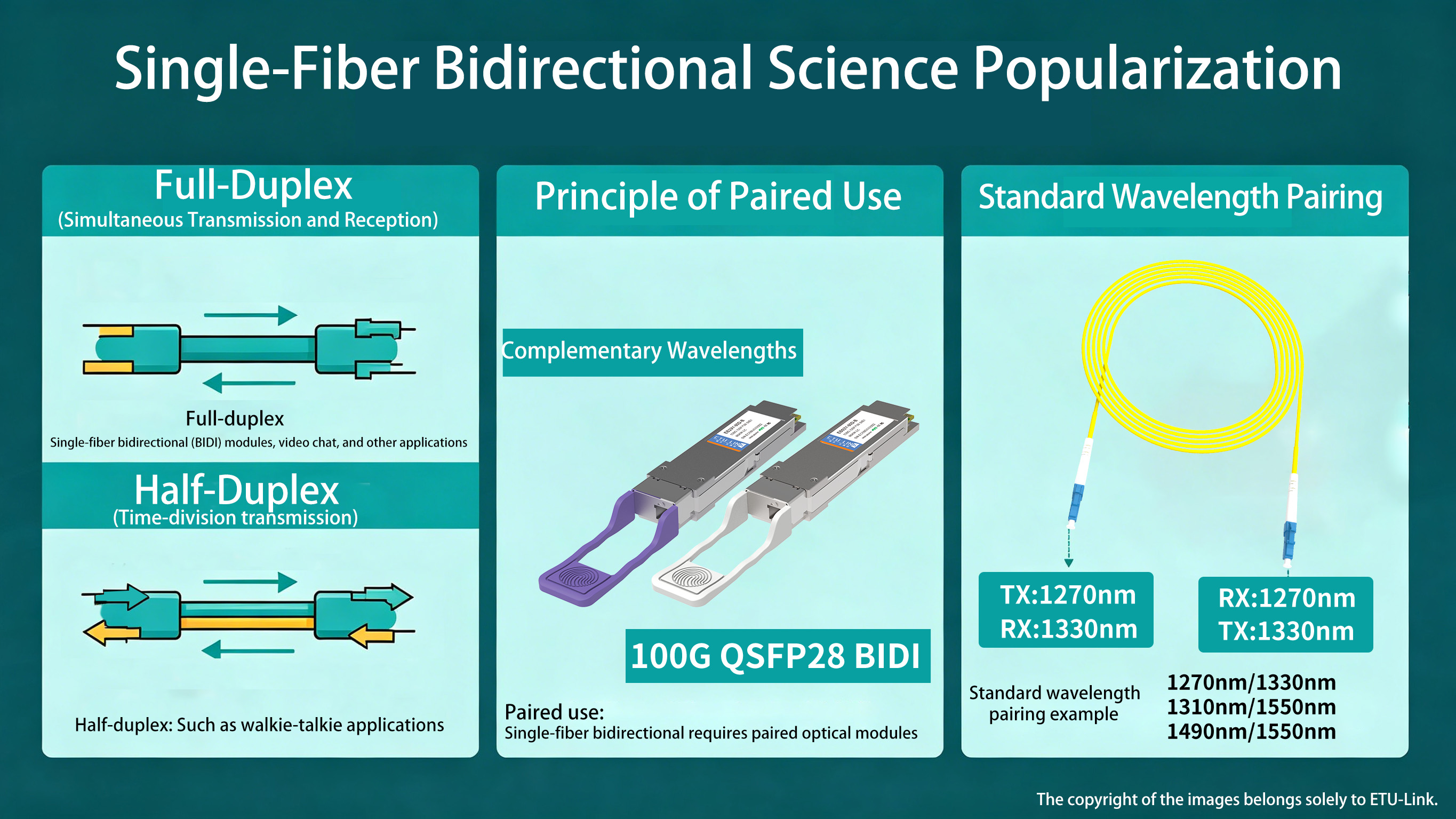
Bidireccional sobre fibra única ( BiDi Esto significa que la transmisión y recepción de datos se pueden completar simultáneamente dentro de una sola fibra óptica, a diferencia de las fibras ópticas convencionales que utilizan dos cables separados para la transmisión y la recepción. El principio fundamental de esta tecnología es la combinación de multiplexación por longitud de onda y separación de transmisión/recepción, que se puede detallar a partir de los siguientes tres aspectos:
1. Transmisión y recepción diferenciadas por longitud de onda : Los dos extremos de la comunicación utilizan longitudes de onda diferentes en una dirección simétrica y opuesta para la transmisión y la recepción (por ejemplo, A transmite a 1310 nm y recibe a 1550 nm, mientras que B hace lo contrario), para lograr una transmisión de señal bidireccional libre de interferencias.
2. Centro do Componente: WDM do oupler (multiplexor por división de longitud de onda) : Como componente clave, envía señales ópticas de diferentes longitudes de onda a través de una única fibra óptica para su transmisión mediante multiplexación, y el extremo receptor luego demultiplexa las señales a los módulos correspondientes para completar la transmisión bidireccional.
3. Técnico mi sentido : En comparación con la solución tradicional de doble fibra, esta tecnología reduce la cantidad de fibra óptica utilizada en un 50 % y mejora la utilización de los recursos al combinar una sola fibra con dos longitudes de onda sin afectar el rendimiento de la transmisión.
II . Serie básica de módulos ópticos y escenarios de aplicación
Tasa
Modelos de productos
Descripción y escenarios de aplicación
Emparejamiento de longitudes de onda (TX/RX)
1,25 g
EB3512-3D/10D/20D/40D
Módulo óptico SFP de 1,25 G
, compatible con diferentes distancias de transmisión de 3/10/20/40 km, adaptable a escenarios de acceso general, con función de monitorización DDM.
1310 nm/1550 nm
EB5312-3D/10D/20D/40D
1550 nm/1310 nm
10G
EB23X-10D/20D/40D/60D
Módulos ópticos SFP+ de 10G
Con una cobertura de transmisión de entre 10 y 60 km, es adecuada para redes troncales de campus y redes de área metropolitana, y admite funciones de intercambio en caliente y DDM.
1270 nm/1330 nm
EB32X-10D/20D/40D/60D
1330 nm/1270 nm
25G
EB232X-10D/40D
Módulo óptico SFP28 de 25G
Distancia de transmisión de 10/40 km, adecuada para escenarios de fronthaul 5G y centros de datos, admite intercambio en caliente y monitorización DDM.
1270 nm/1330 nm
EB322X-10D/40D
1330 nm/1270 nm
40G
EB894X-01D
Módulo óptico QSFP+ de 40G
Versión de corta distancia de 150 m, diseño multimodo, diseñada específicamente para escenarios de interconexión de centros de datos y expansión de la red troncal.
Tx850nm/Rx900nm
↔
Tx900nm/Rx850nm
100 g
EB23Y-10D
100G QSFP28
alta velocidad
módulo óptico
Versión de 10 km para distancias cortas a medias, adecuada para centros de datos e interconexión de distancias cortas a medias, compatible con intercambio en caliente y monitorización DDM.
1270 nm/1330 nm
EB32Y-10D
1330 nm/1270 nm
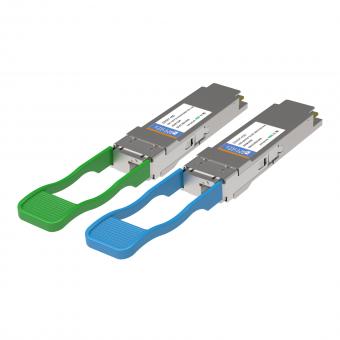
El mercado de la comunicación óptica tendrá un impacto significativo en 2026, con Enlace ETU 100G BIDI Los productos de la serie hacen un debut impactante. Cubren con precisión las necesidades de transmisión en 10 km, 20 km, 40 km y 80 km En esta gama de productos, se han convertido en un referente en la industria, gracias a su rendimiento superior, calidad estable y excepcional relación coste-beneficio. Desde la interconexión de centros de datos hasta la transmisión a larga distancia, desde la implementación en ingeniería hasta la operación diaria, los productos deben utilizarse en pares: las longitudes de onda en ambos extremos deben ser complementarias (A transmite a 1310 nm/recibe a 1550 nm, B debe transmitir a 1550 nm/recibir a 1310 nm); la comunicación de un solo extremo es imposible.
No todas las longitudes de onda se pueden emparejar: Deben seguirse las combinaciones de longitud de onda estándar; de lo contrario, la señal no podrá separarse. .
Ⅲ . Resumir
Categorías
nuevo blog
Etiquetas
nuevos productos
Transceptor óptico 800G OSFP 2×DR4 1310nm 500M MPO12 DDM Lee mas
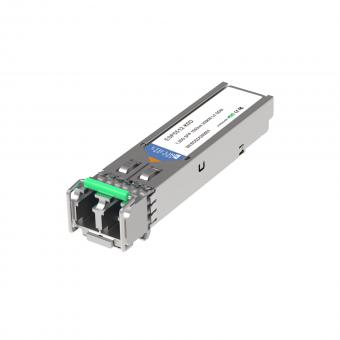
Transceptor óptico LC SFP de 1,25 G, 1550 nm y 200 km Lee mas

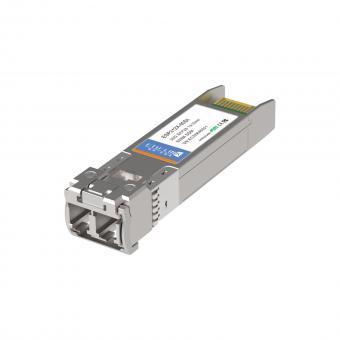
Transceptor óptico LC de 100G QSFP28 LR con sonda Lambda única de 10KM Lee mas
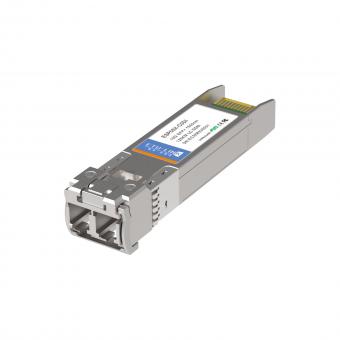
Transceptor óptico de 25G SFP28 ZR 1310nm los 80KM LC Lee mas
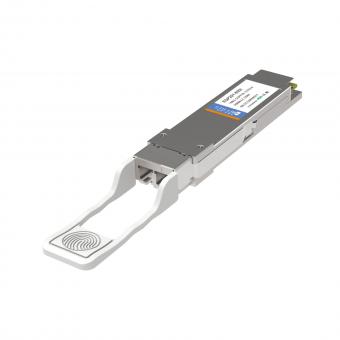
Transceptor óptico de generación II de 100G QSFP28 ZR4 80KM LC Lee mas
Para consultas sobre nuestros productos o lista de precios, déjenoslo y nos pondremos en contacto dentro de las 24 horas.


 13th Floor, Building 6, Honghualing Base, Nanshan Intelligent Manufacturing Base, Liuxian Avenue, Taoyuan Street, Xili, Nanshan District, Shenzhen, China
© Derechos de autor: 2026 ETU-Link Technology CO ., LTD Reservados todos los derechos.

Soporta red IPv6


