

 español



¿Qué relación existe entre los drones y la comunicación óptica?
En el panorama tecnológico actual, en constante evolución, la convergencia de drones y comunicación óptica se está convirtiendo en un factor clave para la transformación de la industria. A continuación, se analizará en detalle la relación entre drones y comunicación óptica, las tendencias en productos de módulos ópticos y las perspectivas futuras.
I. La relación entre drones y comunicaciones ópticas: los módulos ópticos como componentes esenciales
La profunda integración de drones y comunicación óptica logra esencialmente Alta velocidad, baja latencia y resistente a interferencias. Transmisión de datos mediante módulos ópticos, superando las limitaciones de la comunicación inalámbrica tradicional. El valor de aplicación de los módulos ópticos en drones se refleja en los siguientes escenarios:
1. Recopilación de datos geográficos y de levantamiento topográfico
El dron está equipado con una carga útil de topografía de alta precisión. El módulo óptico transmite datos tridimensionales de nube de puntos láser en tiempo real a una velocidad de 10 Gbps. Estos datos, combinados con el sistema terrestre, generan un modelo digital con precisión centimétrica, ampliamente utilizado en la construcción de ciudades inteligentes y la monitorización de desastres geológicos.
2.
Inspección de la red eléctrica y respuesta ante emergencias
Los drones transmiten imágenes en tiempo real de líneas de alta tensión a un centro de control terrestre mediante módulos ópticos, identificando posibles peligros como daños en los aisladores y combas anormales en los conductores. En zonas de desastre, los módulos ópticos transmiten imágenes 4K con una latencia de milisegundos, lo que proporciona apoyo en tiempo real para la toma de decisiones en las operaciones de rescate.
3.
Exploración de aguas profundas y comunicaciones submarinas
El robot submarino establece un enlace de comunicación estable con el buque nodriza de superficie a través de un módulo óptico, superando la limitación de baja velocidad de la comunicación acústica submarina y transmitiendo imágenes submarinas de alta definición y datos de exploración para apoyar la investigación en aguas profundas.
Soporte de ventajas técnicas :
1) Antiinterferencias : La señal óptica no se ve afectada por interferencias electromagnéticas y mantiene una transmisión estable en entornos complejos, como instalaciones industriales y cerca de líneas de transmisión de alta tensión.
2) De larga distancia T transmisión : Gracias a las características de baja pérdida de la fibra óptica monomodo y combinadas con la tecnología de amplificación por repetidor, la distancia de transmisión se puede extender hasta 120 kilómetros para satisfacer las necesidades de las operaciones de larga distancia.
3) Alto ancho de banda y baja latencia : Admite la transmisión en tiempo real y sin pérdidas de vídeo de ultra alta definición 4K/8K con una latencia de transmisión de datos inferior a 5 milisegundos, satisfaciendo las necesidades de escenarios dinámicos en condiciones de maniobra a alta velocidad.
4) Adaptabilidad ambiental : Adopta un diseño de amplio rango de temperatura (-40℃~+85℃) para adaptarse a entornos extremos como el frío polar, el calor del desierto y las grandes altitudes con fuerte radiación ultravioleta.
II. Previsión de tendencias de productos de módulos ópticos: impulsada tanto por la iteración tecnológica como por la expansión de escenarios.
1. Alta velocidad e integración: La evolución de 800G a 1,6T
Demanda del mercado : La carrera por aumentar la potencia de cálculo en inteligencia artificial está impulsando a los centros de datos a incrementar continuamente sus requisitos de velocidad para los módulos ópticos. Se prevé que en 2026 la demanda de módulos ópticos de 800G aumente considerablemente, y se proyecta que la demanda de módulos ópticos de 1,6T alcance entre 20 y 30 millones de unidades.
Avance tecnológico : La tecnología de fotónica de silicio se ha generalizado, con una tasa de penetración superior al 70%. Los principales fabricantes han logrado la producción en masa de módulos de fotónica de silicio de 1,6 T, y la tasa de rendimiento de los motores de fotónica de silicio de 1,6 T ha alcanzado el 90%.
Escenarios de aplicación : Los módulos ópticos de alta velocidad no solo sirven para la interconexión de centros de datos, sino que también se extienden a la comunicación de enjambres de drones. Por ejemplo, los drones pueden lograr un intercambio de datos de alta velocidad internamente a través de enlaces ópticos, mientras mantienen una conexión básica con estaciones de control remoto mediante radio, formando un modo de red híbrido.

2. Inteligencia y conectividad: integración con tecnologías de IA e IoT.
Gestión inteligente : El módulo óptico integra tecnología de modulación adaptativa, que ajusta dinámicamente los parámetros de la señal según el entorno de comunicación para mejorar la eficiencia de la transmisión. Por ejemplo, mejora automáticamente la capacidad de resistencia a las interferencias en zonas con fuertes interferencias electromagnéticas.
Colaboración en red : El módulo óptico y el sistema de toma de decisiones basado en inteligencia artificial del enjambre de drones trabajan conjuntamente para permitir el vuelo colaborativo entre múltiples drones y la asignación de tareas.
Seguridad mejorada : La tecnología de cifrado y los mecanismos de autenticación de seguridad se utilizan para evitar que los datos sean interceptados o manipulados durante la transmisión, satisfaciendo así las necesidades de escenarios de alta seguridad, como la seguridad.
3. Ampliación de escenarios de aplicación emergentes: cobertura total desde tierra hasta el espacio.
Economía de baja altitud : La creciente aplicación de drones en logística, topografía, monitoreo ambiental y otros campos está impulsando el aumento de la demanda de módulos ópticos. Por ejemplo, en la inspección de tuberías urbanas, los robots que se desplazan por las tuberías utilizan comunicación por fibra óptica para lograr la transmisión en tiempo real de video de alta definición desde el interior de redes de tuberías complejas, lo que mejora la eficiencia de la inspección en un 60 %.
6G y comunicación por satélite : Los módulos ópticos están integrados en la arquitectura de la red 6G, lo que permite que los drones funcionen como estaciones base aéreas para proporcionar servicios de comunicación de alta velocidad a los usuarios en tierra. Simultáneamente, el desarrollo de la tecnología de comunicación láser por satélite permite que los drones tengan capacidades de retransmisión de datos a través del espacio aéreo.
Mercado de consumo : Los drones FPV de fibra óptica logran una comunicación por cable de larga distancia de 20 a 120 kilómetros a través de módulos ópticos, resolviendo por completo el problema de la pérdida de señal en competiciones de alta velocidad y brindando a los jugadores una experiencia competitiva fluida.
III. Perspectivas de futuro: Los módulos ópticos redefinen los límites de las aplicaciones de los drones.
En 2026, la tecnología de módulos ópticos entrará en una etapa madura caracterizada por "alta velocidad, bajo consumo de energía e inteligencia", y su integración con drones mostrará las siguientes tendencias:
(1). Avance en el rendimiento : La aplicación a gran escala de módulos ópticos de 1,6 T permite la transmisión en tiempo real de vídeo 8K y grandes cantidades de datos de sensores procedentes de drones, lo que reduce la velocidad de respuesta de los sistemas de toma de decisiones de IA al nivel de los milisegundos.
(2). Reducción de costos : La madurez de la tecnología de fotónica de silicio y la expansión de la producción en masa han reducido el coste de los módulos ópticos en más de un 30 % en comparación con las soluciones tradicionales, acelerando su adopción en el mercado de drones de consumo.
(3). Un ecosistema bien desarrollado : Los fabricantes de módulos ópticos, las empresas de drones y los proveedores de chips han formado una alianza industrial para desarrollar estándares de interfaz unificados y mejorar la compatibilidad e interoperabilidad de los productos.
(4). Impulsado por políticas : La liberación de dividendos de política para la "economía digital" global y la "economía de baja altitud" proporciona apoyo financiero y facilidad de acceso al mercado para la aplicación integrada de módulos ópticos y drones.
Categorías
nuevo blog
Etiquetas
nuevos productos
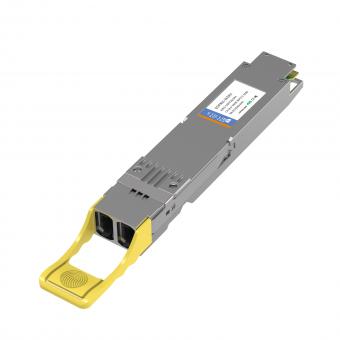
Transceptor óptico 800G OSFP 2×DR4 1310nm 500M MPO12 DDM Lee mas
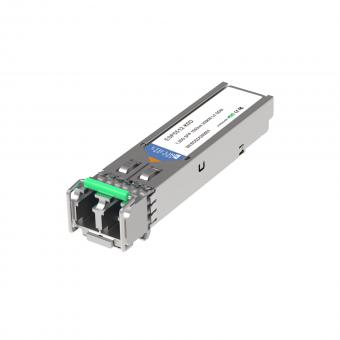
Transceptor óptico LC SFP de 1,25 G, 1550 nm y 200 km Lee mas
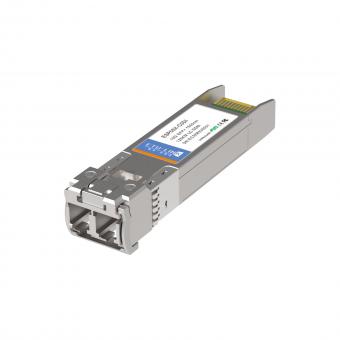

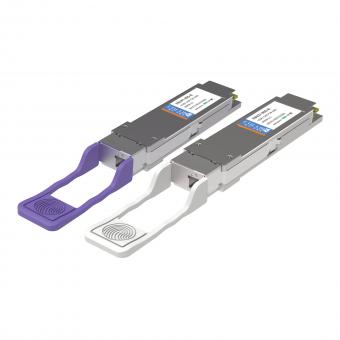
Transceptor óptico LC de 100G QSFP28 LR con sonda Lambda única de 10KM Lee mas
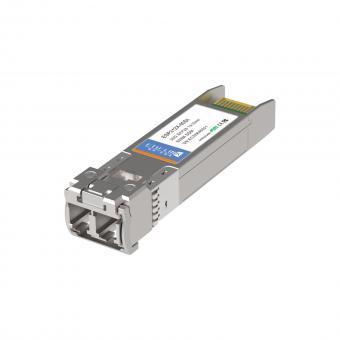
Transceptor óptico de 25G SFP28 ZR 1310nm los 80KM LC Lee mas
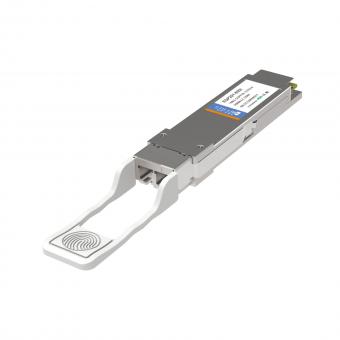
Transceptor óptico de generación II de 100G QSFP28 ZR4 80KM LC Lee mas
Para consultas sobre nuestros productos o lista de precios, déjenoslo y nos pondremos en contacto dentro de las 24 horas.


 13th Floor, Building 6, Honghualing Base, Nanshan Intelligent Manufacturing Base, Liuxian Avenue, Taoyuan Street, Xili, Nanshan District, Shenzhen, China
© Derechos de autor: 2026 ETU-Link Technology CO ., LTD Reservados todos los derechos.

Soporta red IPv6


