

 español



¿Qué es TEC para módulos ópticos?
I. Definición básicaición de TEC
TEC significa refrigerador termoeléctrico, un elemento miniatura de control de temperatura de estado sólido semiconductor. Los láseres en los módulos ópticos son muy sensibles a la temperatura; las fluctuaciones de temperatura pueden causar fácilmente problemas como desplazamiento de longitud de onda, inestabilidad de potencia y degradación de la señal. Por lo tanto, los módulos ópticos de alta velocidad de gama media a alta suelen incorporar TEC miniatura para un control preciso de la temperatura del láser, mejorando la estabilidad de transmisión. Este componente tiene un tamaño pequeño y se adapta a diversos encapsulados de módulos ópticos.
II. Principio de funcionamiento de TEC
TEC (Regulador de temperatura termoeléctrico) logra el control de temperatura basándose en el efecto Peltier. Cuando se enciende, los chips semiconductores P y N internos forman extremos calientes y fríos. Al cambiar la dirección de la corriente, se puede lograr refrigeración o calentamiento, realizando una regulación bidireccional de la temperatura. Su estructura consta de un sustrato cerámico, una capa conductora y chips semiconductores. Junto con un termistor y un chip de control de temperatura, forma un sistema de control de temperatura de bucle cerrado con una precisión de ±0.01℃ a ±0.1℃ . Debido a que no tiene estructura mecánica móvil, TEC funciona de manera estable, tiene bajo consumo de energía y una larga vida útil.
III. Función principal de TEC
Estable Láser Longitud de onda: Los cambios de temperatura pueden causar deriva de longitud de onda, lo que puede provocar fácilmente diafonía y errores de bits en sistemas de multiplexación por división de longitud de onda (WDM). TEC controla con precisión la temperatura y bloquea la longitud de onda, garantizando el aislamiento de canales.
Optimizar Condiciones de Funcionamiento del Dispositivo: Calienta o enfría automáticamente el dispositivo en condiciones de alta y baja temperatura para mantener el láser en el rango óptimo de funcionamiento, estabilizar la potencia óptica y optimizar la calidad de la señal.
Vida útil prolongada: Para módulos altamente integrados con alta disipación de calor, disipa rápidamente el calor, ralentiza el envejecimiento del dispositivo y reduce la tasa de fallos.
IV. Escenarios de aplicación
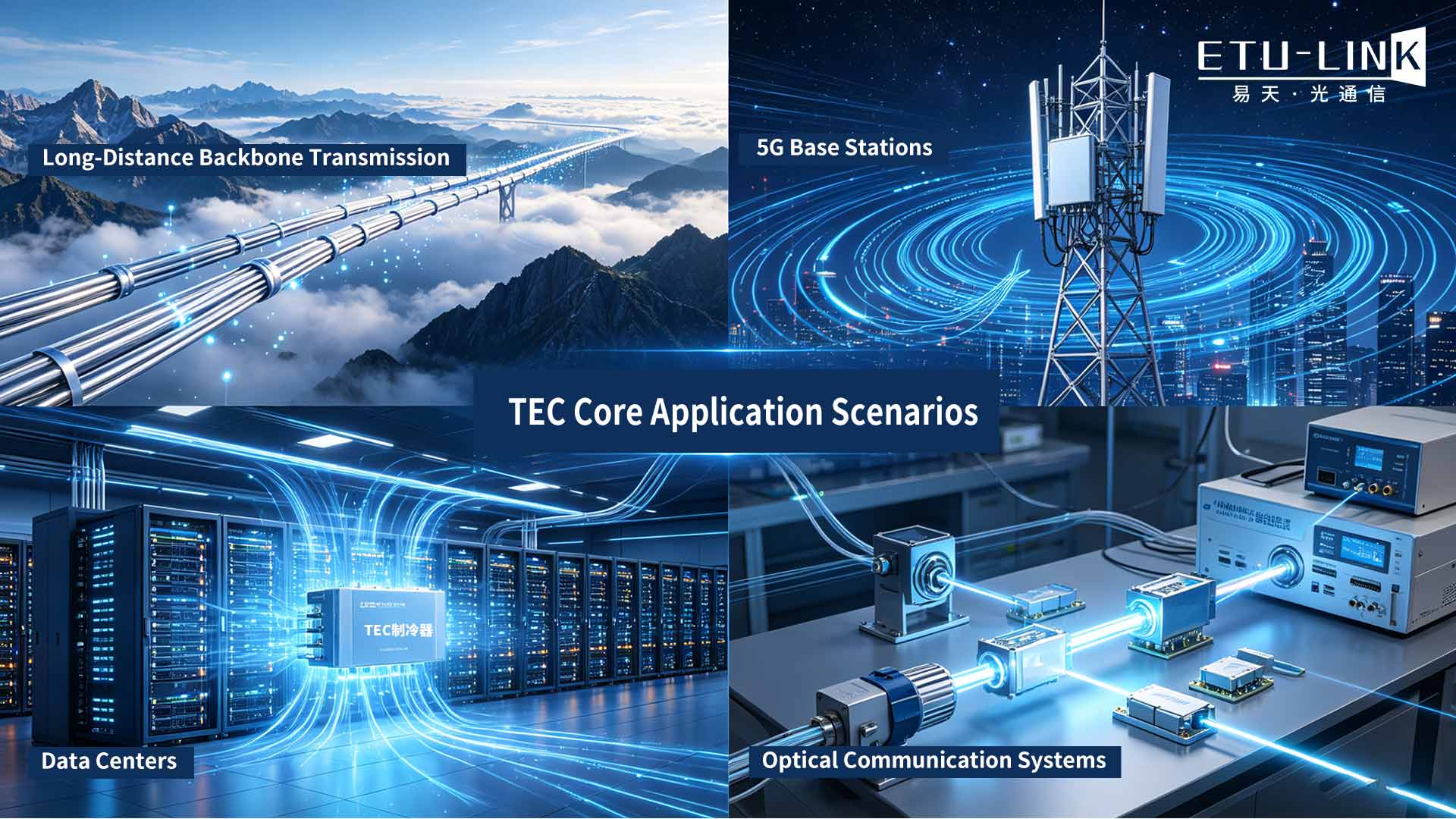
① Larga-Distancia Transmisión troncal Transmisión Escenarios: Aplicado a módulos de multiplexación densa por división de longitud de onda DWDM, las distancias de transmisión de cables ópticos troncales de larga distancia pueden alcanzar más de 80 km. Este escenario tiene requisitos extremadamente altos de estabilidad de longitud de onda. El control preciso de temperatura de TEC elimina la deriva de longitud de onda, evita la diafonía entre canales y garantiza una transmisión estable a largo plazo de enlaces troncales entre provincias y ciudades.
② Alta-End Datos Centro Escenarios: Utilizado principalmente en módulos ópticos de alta velocidad, que sirven para salas de potencia informática de IA y centros de computación en la nube. Los chips altamente integrados generan una cantidad considerable de calor; el TEC (regulador dinámico de temperatura) proporciona disipación de calor y control de temperatura en tiempo real, reduciendo las tasas de error por altas temperaturas y satisfaciendo las demandas de transmisión interactiva de alta frecuencia de grandes datos.
③ 5G/6G Telecom Base Station Escenarios: Aplicado a los módulos ópticos de fronthaul, midhaul y backhaul de estaciones base, las estaciones base exteriores experimentan diferencias extremas de temperatura. El TEC logra un control bidireccional de la temperatura, enfriando con calor intenso y calentando a bajas temperaturas, garantizando que las estaciones base no pierdan conexión ni sufran atenuación de señal en entornos exteriores adversos.
④ Coherente Óptico Comunicación Escenarios: Los módulos coherentes se utilizan principalmente en redes metropolitanas (MAN) y redes de área amplia (WAN), donde los requisitos de fase y polarización de la señal óptica son estrictos. Equipado con un módulo TEC (control electrónico de transmisión), puede estabilizar el estado operativo del láser y mejorar la sensibilidad de recepción de señal, siendo adecuado para cables ópticos submarinos de larga distancia y líneas de transmisión transfronterizas.
⑤ Escenarios de comunicación industriales y especializados: La automatización industrial, la monitorización de seguridad y los equipos de transmisión óptica para instrumentos de precisión suelen estar expuestos a entornos con grandes diferencias de temperatura e interferencias frecuentes. Los módulos ópticos con control de temperatura TEC tienen una gran resistencia a las interferencias ambientales y son adecuados para condiciones industriales exigentes.
⑥ Selección de productos de marca: ETU-LINK selecciona chips de refrigeración termoeléctrica y optimiza la calibración del circuito de control de temperatura para los escenarios mencionados anteriormente, dando como resultado productos con una deriva mínima de temperatura y una gran capacidad antiinterferencias. En comparación con los módulos comunes sin control óptico, los módulos ópticos TEC de ETU-LINK son adecuados para escenarios exigentes como la multiplexación por división de longitud de onda de larga distancia, estaciones base exteriores y centros de datos informáticos, equilibrando la rentabilidad y la estabilidad para proporcionar soluciones de transmisión fiables para diversos proyectos de comunicación.
V. Resumen
Componente de control de temperatura es un elemento central de control de temperatura que garantiza el funcionamiento estable de los módulos ópticos de alta velocidad. Con el rápido desarrollo de los centros de datos y las comunicaciones ópticas de alta velocidad, los requisitos de precisión del control de temperatura de la industria continúan aumentando, y el TEC evolucionará hacia la miniaturización, el bajo consumo energético y la alta precisión. Empresas como ETU-LINK continuarán optimizando la tecnología de control de temperatura TEC, iterando productos de módulos ópticos de alta gama y contribuyendo a la localización, el desarrollo de alta calidad y la estabilidad de la industria de las comunicaciones ópticas.
¡Casi cometí un error! Un recordatorio amistoso del equipo de I+D: la mayoría de los módulos ópticos estándar de 400G/800G no utilizan TEC (circuito de control de transmisión),así que ¡no incluyas habitualmente circuitos de control de temperatura en tu cableado!
Anterior :
¿Qué es DSP?próximo :
¿De dónde provienen los datos del presupuesto óptico?Categorías
nuevo blog
Etiquetas
nuevos productos
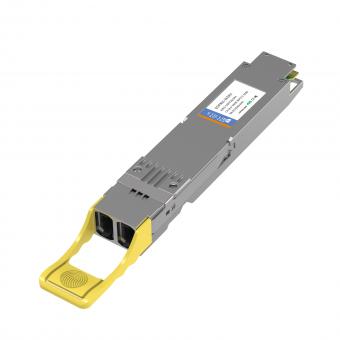
Transceptor óptico 800G OSFP 2×DR4 1310nm 500M MPO12 DDM Lee mas
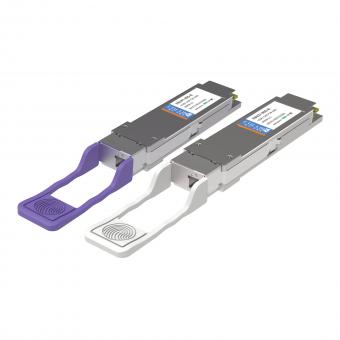
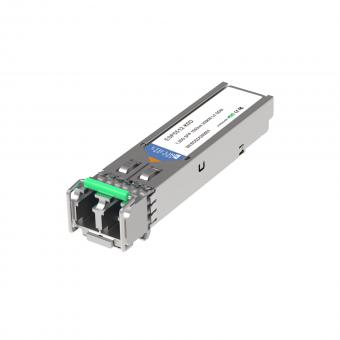
Transceptor óptico LC SFP de 1,25 G, 1550 nm y 200 km Lee mas
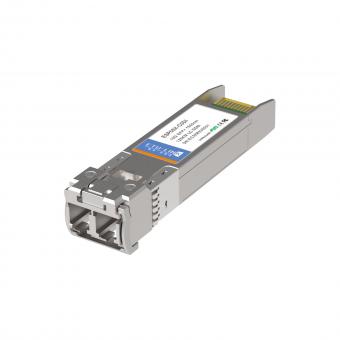

Transceptor óptico LC de 100G QSFP28 LR con sonda Lambda única de 10KM Lee mas
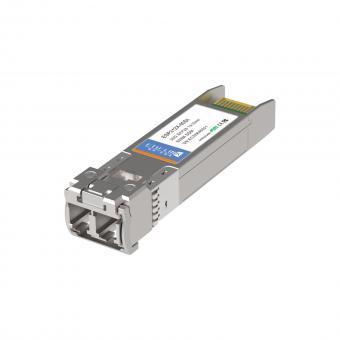
Transceptor óptico de 25G SFP28 ZR 1310nm los 80KM LC Lee mas
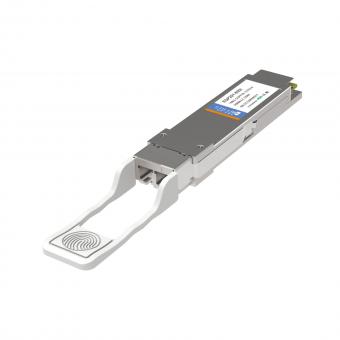
Transceptor óptico de generación II de 100G QSFP28 ZR4 80KM LC Lee mas
Para consultas sobre nuestros productos o lista de precios, déjenoslo y nos pondremos en contacto dentro de las 24 horas.


 13th Floor, Building 6, Honghualing Base, Nanshan Intelligent Manufacturing Base, Liuxian Avenue, Taoyuan Street, Xili, Nanshan District, Shenzhen, China
© Derechos de autor: 2026 ETU-Link Technology CO ., LTD Reservados todos los derechos.

Soporta red IPv6


