

 español



Análisis de los tipos de empaquetado de módulos ópticos de 400G
Ⅰ.Actualizaciones de 400G para centros de datos: elegir el empaquetado adecuado es clave
Impulsado por tecnologías como la IA, la computación en la nube y 5G, el volumen global de datos está creciendo exponencialmente. El tamaño del mercado global de transceptores ópticos de 400G alcanzó los 1.130 millones de dólares en 2025 y se prevé que crezca hasta los 3.610 millones de dólares en 2035. Mientras tanto, CignalAI predice que los envíos totales de módulos ópticos de comunicación de datos de alta velocidad de 400G y superiores alcanzarán los 42 millones de unidades en 2025, lo que indica un continuo aumento de la actividad del mercado.
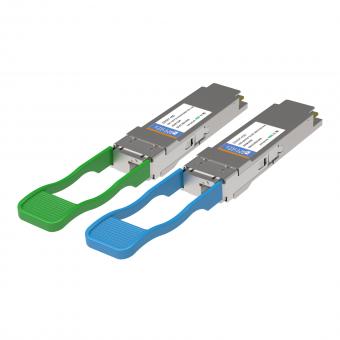
Al seleccionar módulos ópticos de 400G, el tipo de encapsulado es uno de los factores de decisión más cruciales, ya que determina directamente la compatibilidad del módulo, el consumo de energía, la densidad de puertos y los escenarios de aplicación. Actualmente, QSFP-DD, OSFP, y QSFP112 son los tres tipos de encapsulado principales del mercado.
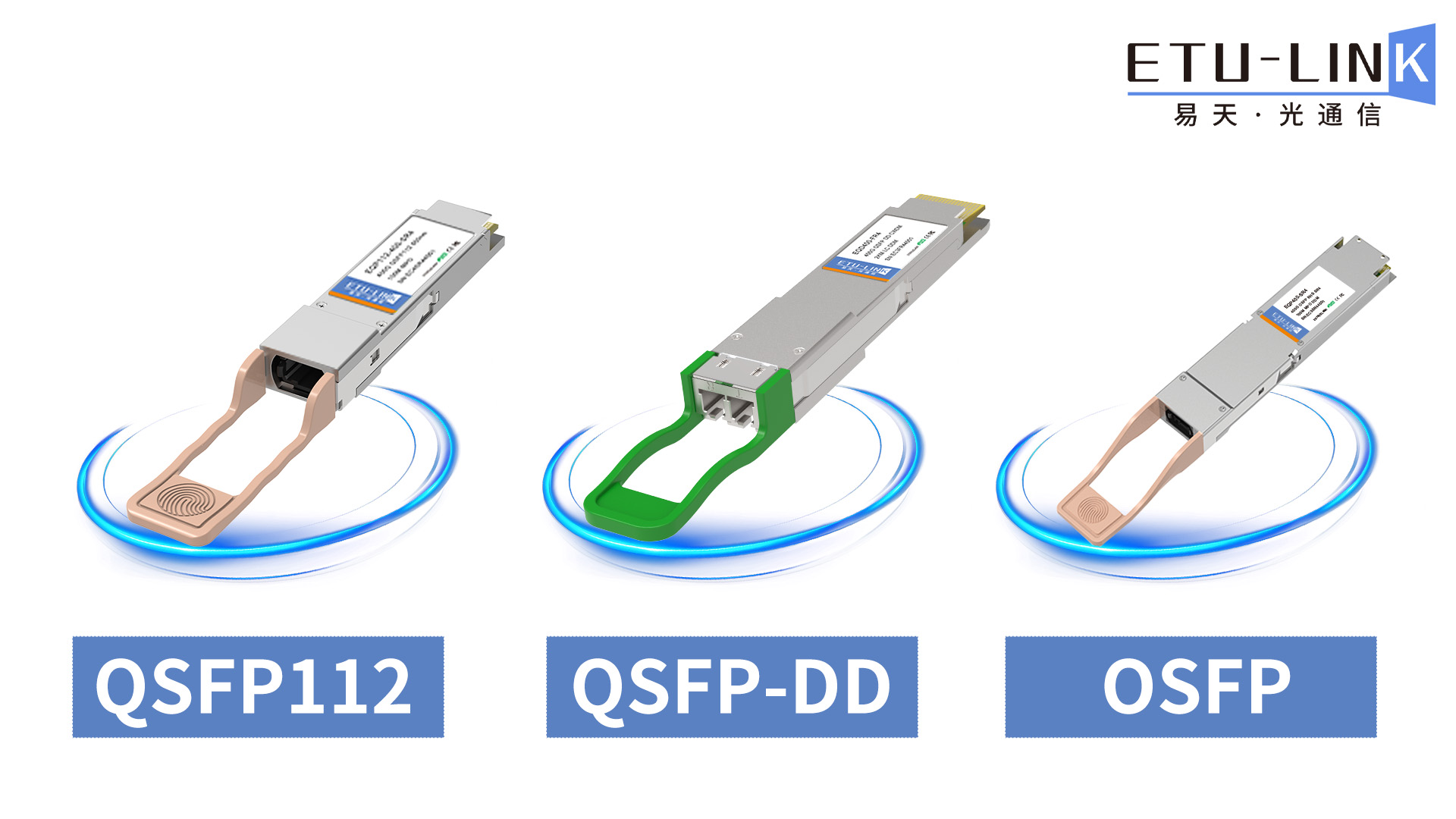
1. QSFP-DD: El encapsulado preferido para centros de datos
QSFP-DD es actualmente el tipo de encapsulado más utilizado para módulos de 400G, empleando un diseño de puerto eléctrico 8×50GPAM4 y el estándar MSA de QSFP-DD .
Su ventaja más destacada reside en la compatibilidad con versiones anteriores—el mismo puerto puede admitir módulos QSFP-DD, QSFP28 (100G) y QSFP56 (200G), reduciendo significativamente el coste de actualizar los centros de datos de 100G a 400G. QSFP-DD destaca en el control del tamaño y el consumo de energía, con un límite de potencia normalmente inferior a 12W, y ofrece una alta densidad de puertos, lo que lo hace adecuado para implementaciones de centros de datos a gran escala.
2. OSFP: Diseñado para aplicaciones de alta potencia
Definido por la organización OSFPMSA, OSFP emplea ocho canales eléctricos de alta velocidad y cuenta con un diseño de disipador térmico integrado que mejora significativamente el rendimiento de gestión térmica. Su consumo máximo de energía permitido alcanza los 15W, 3W más que QSFP-DD, lo que significa que OSFP puede admitir módulos de transmisión de mayor distancia y chips DSP con mayor consumo de energía. Esto le proporciona una clara ventaja en escenarios como las redes de telecomunicaciones, donde los requisitos de disipación de calor y redundancia energética son mayores.
Sin embargo, OSFP no es compatible con el ecosistema QSFP y no se puede conectar directamente a un puerto QSFP.
3. QSFP112: El recién llegado con gran ancho de banda
QSFP112 es un factor de forma de encapsulado relativamente nuevo. El "112" de su nombre representa una velocidad de transmisión de 112Gbps por canal, y utiliza cuatro canales para lograr una transmisión de 400G. Su consumo de energía se mantiene por debajo de 10W, demostrando una excelente eficiencia energética.
A diferencia de QSFP-DD, QSFP112 utiliza modulación 4×100GPAM4 tanto en sus puertos eléctricos como ópticos, lo que exige mayores requisitos de diseño de chips y PCB y da lugar a costes más elevados. Sin embargo, es compatible con versiones anteriores de los ecosistemas QSFP56 y QSFP28, facilitando actualizaciones fluidas de las redes existentes.
Ⅱ.Descripción general de los factores de selección de paquetes
1) Compatibilidad: Los ecosistemas OSFP y QSFP no son interoperables; QSFP-DD y QSFP112 admiten cierto grado de compatibilidad con versiones anteriores, facilitando actualizaciones de red sin problemas.
2) Consumo de energía: OSFP≤15W, QSFP-DD≤QSFP112≤10W (consumo de energía óptimo).
3) Densidad de puertos: QSFP-DD y QSFP112 tienen la mayor densidad, mientras que CFP8 tiene la menor.
4) Principales escenarios de aplicación: QSFP-DD y QSFP112 son adecuados para centros de datos; OSFP es adecuado para redes de telecomunicaciones y centros de datos hiperescalables.
Ⅲ.Cuota de mercado principal y tendencias futuras
En términos de cuota de mercado, QSFP-DD ocupa una posición dominante. Las tendencias del mercado para 2025 muestran que aproximadamente el 70% de las implementaciones de 400G utilizarán encapsulado QSFP-DD, mientras que el 44% incluirá soluciones OSFP (nota: se pueden utilizar varios tipos de encapsulado en la misma red). La cuota de OSFP en escenarios de interconexión de nivel operador para centros de datos hiperescalables está aumentando gradualmente, mientras que QSFP112 está ganando rápidamente atención del mercado debido a su alta eficiencia energética. Los fabricantes nacionales de módulos ópticos, representados por ETU-Link Technology Co., Ltd., también están implementándose activamente en diversos productos de encapsulado y ampliando continuamente su cuota de mercado.
De cara al futuro, el consumo de energía de los módulos y la gestión térmica serán desafíos clave. Actualmente, los módulos de 400G suelen consumir entre 10W y 14W, y la reducción del consumo energético será una dirección fundamental para optimizar los productos de próxima generación. Los módulos de 800G ya han entrado en la etapa comercial, y tanto los encapsulados QSFP-DD como OSFP admiten la evolución hacia 800G (como QSFP-DD800). La compatibilidad y escalabilidad de la selección de encapsulados afectarán directamente las futuras rutas de actualización.
La iteración tecnológica nunca se detiene. Elegir el enfoque adecuado puede marcar la diferencia.
(Los datos de este artículo proceden de fuentes de información pública de la industria, como QYResearch, LightCounting, TrendForce y la organización de estándares MSA.)
Categorías
nuevo blog
Etiquetas
nuevos productos
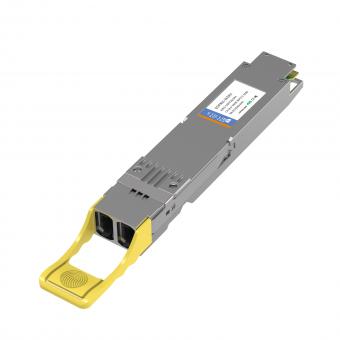
Transceptor óptico 800G OSFP 2×DR4 1310nm 500M MPO12 DDM Lee mas
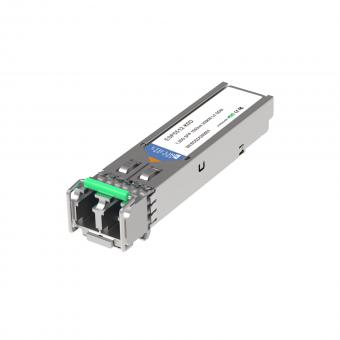
Transceptor óptico LC SFP de 1,25 G, 1550 nm y 200 km Lee mas
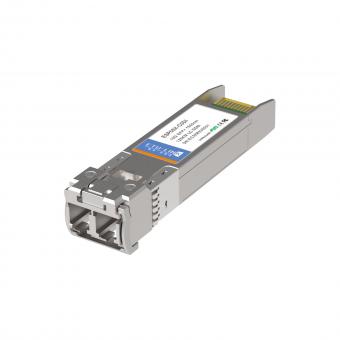

Transceptor óptico LC de 100G QSFP28 LR con sonda Lambda única de 10KM Lee mas
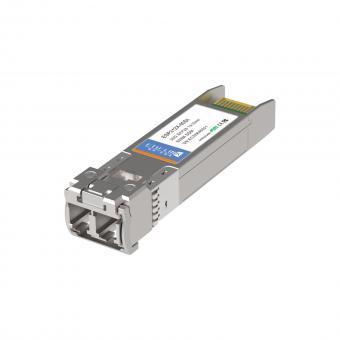
Transceptor óptico de 25G SFP28 ZR 1310nm los 80KM LC Lee mas
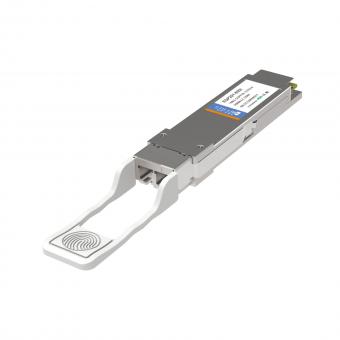
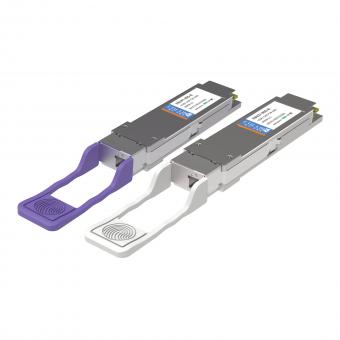
Transceptor óptico de generación II de 100G QSFP28 ZR4 80KM LC Lee mas
Para consultas sobre nuestros productos o lista de precios, déjenoslo y nos pondremos en contacto dentro de las 24 horas.


 13th Floor, Building 6, Honghualing Base, Nanshan Intelligent Manufacturing Base, Liuxian Avenue, Taoyuan Street, Xili, Nanshan District, Shenzhen, China
© Derechos de autor: 2026 ETU-Link Technology CO ., LTD Reservados todos los derechos.

Soporta red IPv6


